Modder Builds 16GB RTX 3070 Ti Using Modified Architecture
A hardware enthusiast has created a functional 16GB GDDR6 version of the unreleased NVIDIA GeForce RTX 3070 Ti by modifying the card's PCB and memory
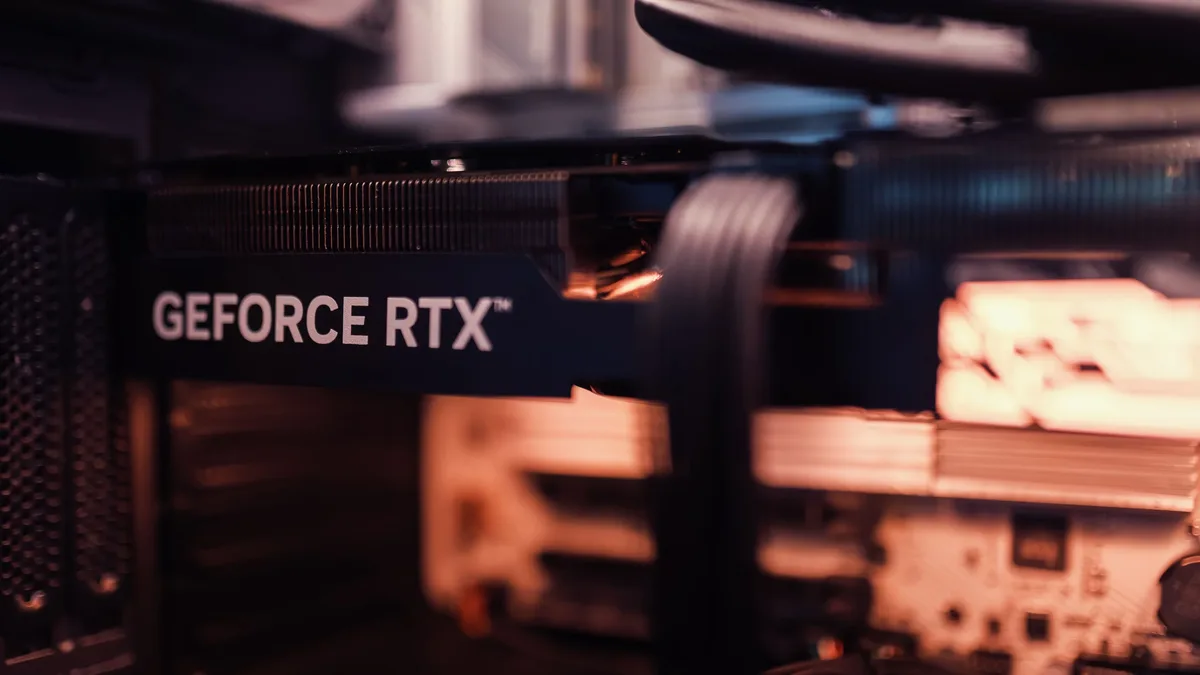
A hardware enthusiast has successfully built a working version of an unreleased NVIDIA GeForce RTX 3070 Ti, outfitting it with 16GB of GDDR6 video memory. This project required modifying the card's printed circuit board (PCB) and integrating custom memory chips.
This recreation differs from the standard retail specification for that model. The modder's primary technical hurdle was sourcing and soldering the correct GDDR6 memory chips while ensuring full compatibility with the existing GPU die and its memory controller. Successfully integrating 16GB of VRAM substantially boosts the card's data throughput.
Technical Challenges and Performance Impact
The process demanded careful reverse engineering of the original board's memory interface. The modder had to ensure the new chips were correctly clocked and stable within the system's PCIe slot constraints. This level of modification requires deep expertise in signal integrity, thermal management, and GPU architecture standards.
While the core GPU processing unit retains its original power profile, the expanded memory pool allows the card to handle much larger datasets. In memory-intensive scenarios, this can be a decisive advantage. VRAM capacity often becomes the primary bottleneck before raw computational power is fully use, especially at high resolutions.
The Role of Memory in GPU Performance
This project shows a critical hardware principle: memory bandwidth and capacity are often as key as core clock speeds for overall performance. The use of GDDR6 chips in this rebuild highlights this balance. The increased VRAM is particularly beneficial for tasks like high-resolution texture mapping, rendering complex geometry, and professional content creation.
It demonstrates the underlying modularity of modern graphics card designs. Skilled individuals can potentially extend a card's useful life by addressing the physical limitations of its original design. The process shows that even when manufacturers discontinue specific configurations, third parties can create enhanced hybrids.
A Demonstration of Enthusiast Ingenuity
The resulting card is a complex hybrid, combining elements to achieve a specification that was never officially released. This effort shows the ingenuity within the enthusiast community. It serves as a powerful example of potential upgrade paths for high-end graphics hardware, provided the necessary electrical interfaces and power delivery systems are maintained.
The modder's work proves that with deep technical knowledge, significant hardware modifications are possible. It opens a discussion about the longevity and upgradeability of premium components. The project finished by creating a unique, high-capacity version of a sought-after GPU model.