
Thermal And Acoustic Testing
Origin and history
Thermal and acoustic testing as a combined benchmarking methodology originated in the personal computing industry of the late 1990s and early 2000s. Its development was driven by the convergence of increasing component power densities and the consumer demand for quieter systems. Initially, thermal testing and acoustic testing were separate disciplines conducted primarily by industrial engineers and component manufacturers. The practice evolved into a standard consumer benchmark as high-performance desktop computing, particularly for gaming and content creation, became mainstream. The integration of these two metrics into a single evaluative framework was a natural response to the thermal-acoustic trade-offs inherent in cooling system design. This benchmarking approach was solidified and popularized through dedicated hardware review publications and websites, primarily in North America and Europe, which began publishing standardized test results for their audiences.
What it is for
This benchmark evaluates the practical performance and environmental impact of a computer component, most commonly a CPU or GPU, under sustained load. Its primary purpose is to measure the component's operating temperature and the associated noise generated by its cooling system at a given performance level. The benchmark provides a critical data point for understanding the real-world usability of a component, as excessive heat or noise can detract from the user experience regardless of raw speed. It is specifically used to determine the cooling efficiency and acoustic profile of a component when it is delivering its actual frame rate or computational throughput. This allows for a direct comparison of how different cooling solutions, from stock designs to aftermarket options, affect the component's behavior. The results inform purchasing decisions by highlighting the balance between performance, thermal headroom, and acoustic comfort that a component and its cooling system provide per dollar of investment.
Pros and cons
A major pro of this benchmark is that it delivers tangible, user-centric data about the daily experience of owning and using a component, moving beyond abstract performance scores. It effectively exposes poor stock cooler designs or inadequate case airflow that can throttle performance or create unacceptable noise levels. However, a significant con is that testing methodology is not universally standardized, making direct comparisons between different reviewers' results difficult without meticulous control of variables like ambient room temperature, background noise, and test chamber design. A common mistake is focusing solely on peak temperature or idle noise, while the more important metric is often the acoustic profile under a sustained, realistic gaming or rendering workload. Users who prioritize absolute silence often regret choosing components based solely on peak performance metrics without consulting thermal-acoustic data, as they may later discover an intrusive fan curve or coil whine. Furthermore, this benchmarking can sometimes undervalue components that run hot but stably within specification, or overvalue excessively large and expensive cooling solutions that provide diminishing returns for the average user.
Who it suits
This benchmark suits meticulous system builders and enthusiasts who are optimizing for a specific use-case environment, such as a quiet home office, a compact living room PC, or a high-end workstation where sustained loads are common. It is particularly valuable for users with a defined budget who need to understand the total cost of ownership, which includes not only the component price but also the potential expense of an aftermarket cooler to achieve acceptable noise levels. Professionals in audio production or video editing, where fan noise can interfere with precise work, rely heavily on this data to select suitable hardware. Conversely, it is less critical for users building systems where raw performance is the sole priority and noise is not a concern, such as in some dedicated server or compute farm applications. It also provides essential guidance for those building in small form factor cases, where thermal constraints are severe and cooling solution choice is paramount to achieving the component's advertised performance.
Latest Thermal And Acoustic Testing news
Latest reporting
Splave One Thermal Paste Review: High Conductivity, High Contact Resistance
A new review finds the Splave One thermal paste has a high material conductivity of 7.19 W/mK but suffers from significant contact resistance.
Thermal Pad Roundup Tests Performance Under Compression
A new roundup of ten thermal pads and one putty reveals that packaging claims of thermal conductivity are poor predictors of real-world performance.
Thermal Grizzly Probes Burned WireView Adapter Reports
Thermal Grizzly is investigating two reports of burned triple-eight-pin WireView adapters used with Radeon RX 7900 XTX graphics cards.
DLSS 5 Neural Rendering Tested via ReShade on RTX 4090
An experimental method allows testing NVIDIA's unreleased DLSS 5 Neural Rendering in existing games using ReShade and RenoDX.

Elden Ring Tarnished Edition DLC gear tested
Players are testing new weapons and armor from the $5 Tarnished Edition DLC, with Leontiel's Greatsword and its 'Matador' skill proving popular.
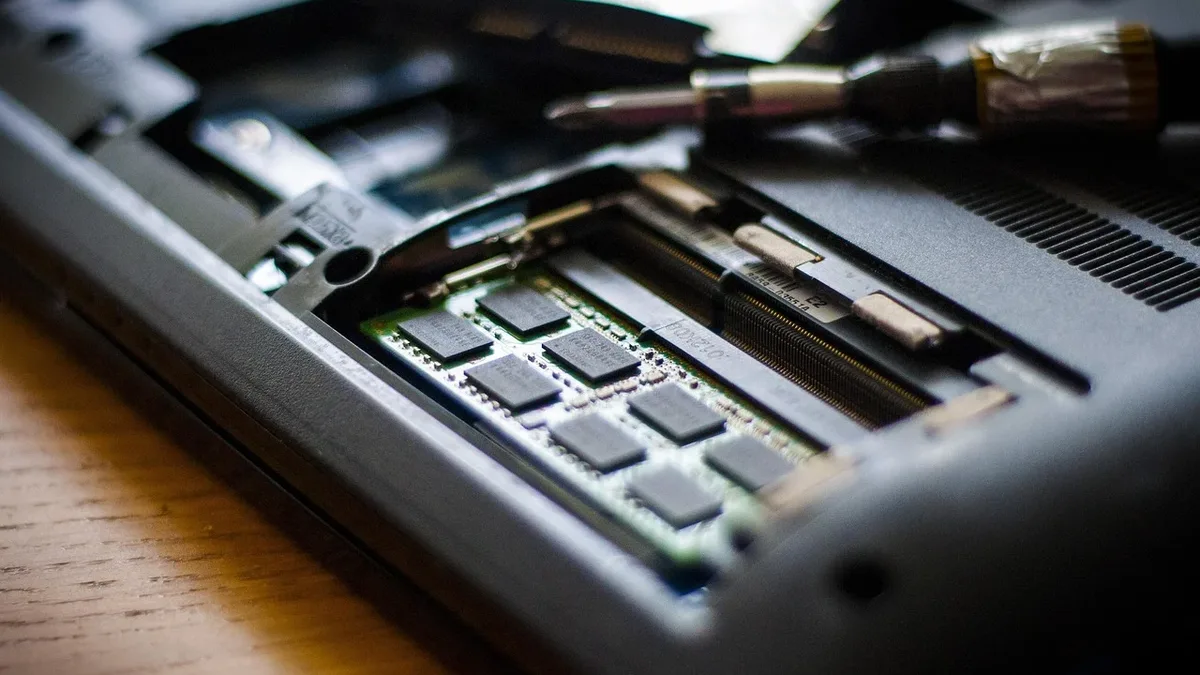
ASUS Zephyrus M16 Liquid Metal Corrodes CPU
An ASUS laptop owner found the liquid metal thermal compound caused corrosion on the heatsink and CPU. Replacing it with PTM7950 pads tripled the FPS.