Thermal Grizzly Probes Burned WireView Adapter Reports
Thermal Grizzly is investigating two reports of burned triple-eight-pin WireView adapters used with Radeon RX 7900 XTX graphics cards, incidents involving
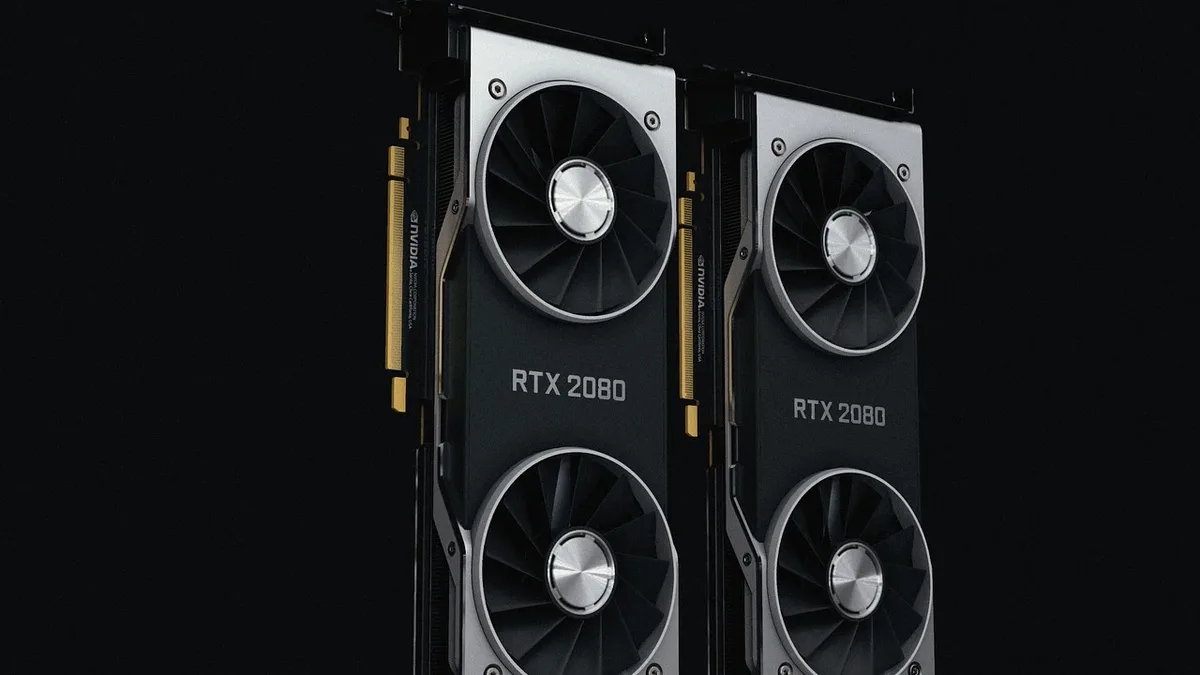
Thermal Grizzly is investigating user reports of burned triple-eight-pin WireView adapters used with Radeon RX 7900 XTX graphics cards. These incidents involve conventional PCIe eight-pin connectors, not the newer 12VHPWR or 12V-2×6 interfaces often linked to recent failures.
One owner reported substantial heat damage around the WireView connectors attached directly to the graphics card after months of system freezes and black screens. The affected adapter was a reversed-orientation model using three eight-pin connections. According to the owner's account on Reddit, the plugs were fully inserted and ordinarily difficult to remove. This report is a user account, not an independent failure analysis, so the exact cause-whether insertion issues, contact resistance, conductor loading, or another defect-remains unconfirmed.
A second user reported a similar failure with the same three-connector reversed WireView model. That customer received a refund after returning the adapter and stated the RX 7900 XTX graphics card survived the incident. The system was reportedly undervolted and generally operated below approximately 300 watts.
Electrical Failure Mechanics
An eight-pin PCIe connector carries power through three 12-volt conductors and multiple ground connections. A complete three-plug arrangement provides substantial aggregate capacity, but localized resistance at a pin, crimp, solder joint, or adapter trace can still create significant heat. Electrical heating rises sharply with current when resistance increases. Consequently, a connector does not need to exceed its total theoretical power rating for one compromised contact to become dangerously hot. Total GPU consumption also cannot prove that current was distributed evenly across every conductor.
WireView adapters provide convenient power monitoring and can improve cable routing, but they introduce additional electrical interfaces between the power supply cables and the graphics card. Every added plug, socket, and internal connection creates another possible point of resistance or mechanical stress.
Scope of the Investigation
The reports do not demonstrate that all WireView units are unsafe. The affected sample size is small, and no root-cause analysis has been published. It would therefore be inappropriate to attribute the failures conclusively to the adapter, the graphics card, or the installation method. Thermal Grizzly’s engineering findings will be the decisive next step. Until those are available, this should be treated as an active investigation based on two reported incidents-not evidence of a universal product defect.
Recommendations for Users
Owners of comparable hardware should inspect their connections for discoloration, deformation, unusual smells, and unexpected system instability. Connectors should be fully inserted, and cables should not pull sideways on the adapter. Systems showing signs of heat damage should be shut down and not repeatedly tested under load. This incident also demonstrates that monitoring only total system wattage is insufficient. A system can remain under its expected board-power limit while a single high-resistance contact overheats.