DDR6 Memory Standard Advances with AI and Data Center Focus
JEDEC has previewed the DDR6 DRAM standard, confirming a 50% bandwidth increase and new form factors, though the specification remains in development and subject to change.
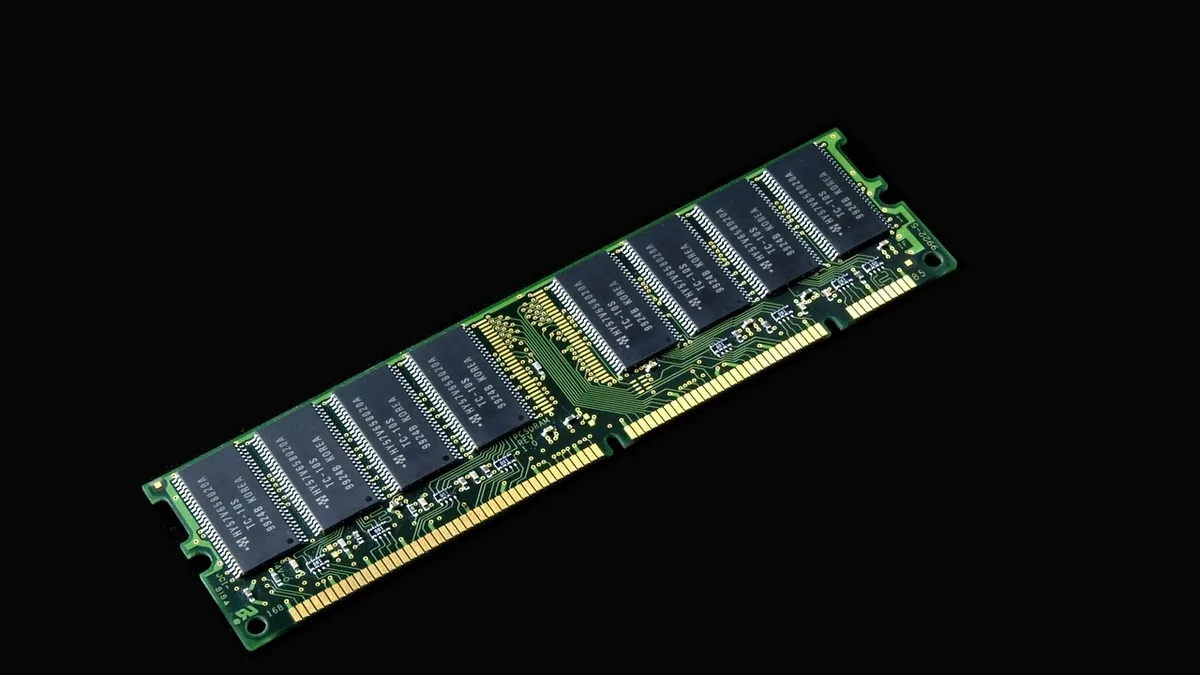
JEDEC has previewed the DDR6 memory standard, targeting AI and data center performance demands with confirmed specifications for higher bandwidth and capacity. The standard is not yet finalized and all features remain subject to change as development continues.
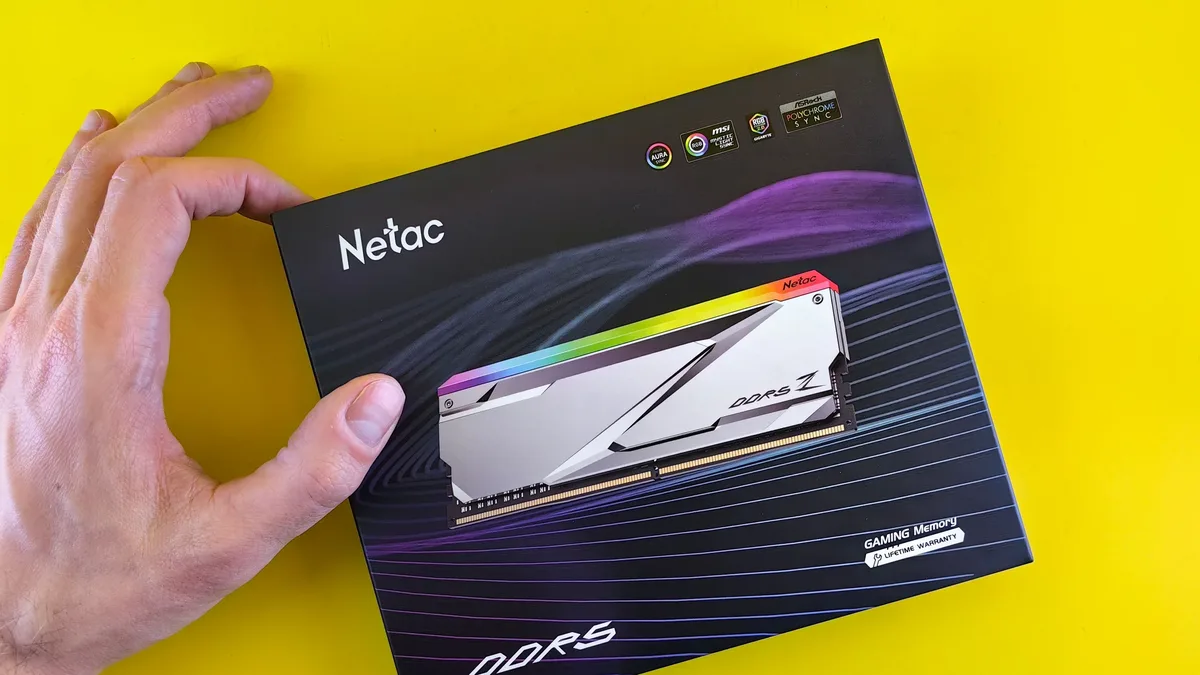
DDR6 will offer 50% more bandwidth at introduction compared to DDR5, with further increases expected through optimizations. The data bus width expands from 64 to 96 DQ, also a 50% increase. These improvements are designed to support up to 128 Gb DRAM die density, enabling higher-capacity modules. The module length will be a significantly narrower 74 mm compared to DDR5's 133 mm, and DDR6 will support multiple form factors including RDIMM, UDIMM, and CAMM.
Key technical enhancements target improved performance-per-watt through VSS-terminated IO and low-power modes. The architecture also includes pseudo-channels and a doubled bank count for enhanced reliability and data bus efficiency. Flexible ECC support will allow system-level reliability balancing.
| Feature | DDR6 Specification |
|---|---|
| Bandwidth Increase vs. DDR5 | 50% at introduction |
| Data Bus Width (DQ) | 96 |
| Max DRAM Die Density | 128 Gb |
| Module Length | 74 mm |
| Supported Form Factors | RDIMM, UDIMM, CAMM |
| Starting Data Rate | 12.8 GT/s (12,800 MT/s) |
| Extended Data Rate | Up to 14.4 GT/s (14,400 MT/s) |
Industry Context and Stakeholder Perspectives
JEDEC, the global leader in microelectronics standards development, provides its members with early access to DDR6 proposals. Mian Quddus, JEDEC Board of Directors Chairman, invited global companies to join the association. Christopher Cox, Chair of the JC-42 Committee for Solid State Memories, stated DDR6 is designed specifically for AI and data-intensive workloads. The enterprise sector is now the focus for adoption, implying DDR6 may target data centers rather than general consumers initially.
Development Uncertainty and Commentary
The final DDR6 release date is not specified, creating uncertainty about its market availability. Industry commenters expressed varied perspectives on the preview. Some noted that DDR6 may not be exclusive to the CAMM form factor, suggesting servers and desktops might not benefit from CAMM as laptops do. Others questioned whether CAMM requires a clock driver for higher frequencies, pointing to potential cost savings if it does not. A degree of skepticism was present, with one commenter arguing that unless DDR6 technologies reach end users, the standard's development has no practical impact. Another suggested the announcement could be misleading if the technology does not ultimately come to market. The preview was reported to have generated 16 comments, reflecting broad industry interest.
The DDR6 standard remains in active development, with its path to market and ultimate adoption shaped by its focus on AI and data center workloads.