1080P, 1440P And 4K Targets
| Resolution target | 1080p |
|---|---|
| Frame rate target | 60 to 144+ fps |
| Typical GPU tier | Mid-range |
| Typical CPU tier | Mid-range |
| Primary use case | High-refresh competitive gaming |
| Original use | Consumer desktop gaming |
| First created | 2000s (decade) |
Origin and history
The terminology of 1080p, 1440p, and 4K as performance targets originates from the global consumer electronics and personal computing industries, becoming standardized in the late 2000s and early 2010s. These terms refer to specific display resolutions that became benchmarks for graphics hardware performance. The push for 1080p (1920x1080 pixels) as a mainstream target was largely driven by the global adoption of high-definition television standards in the first decade of the 21st century. The 1440p (2560x1440 pixels) target emerged as a notable PC gaming-centric resolution in the early 2010s, positioned between 1080p and 4K. The 4K target (3840x2160 pixels), often called Ultra HD, gained significant traction in the consumer market in the mid-2010s following its development within digital cinema and broadcast standards. These resolutions have since become stable, widely-used metrics for categorizing the capability of graphics processing units (GPUs) and entire computer systems.
What it is for
These resolution targets serve as standardized benchmarks for evaluating the performance of PC hardware components, primarily the graphics card, in relation to the visual output they can produce. The core purpose is to provide a clear, comparative framework for understanding what level of gaming or graphical application performance a user can expect for their budget. In practical terms, a "1080p target" means a component is expected to run modern software at that resolution with a satisfactory frame rate, typically 60 frames per second or higher, at common quality settings. A "1440p target" indicates a component capable of delivering good performance at the sharper Quad HD resolution, which demands significantly more graphical power than 1080p. The "4K target" denotes hardware designed to manage the substantial computational load of Ultra HD resolution, which is four times the pixel count of 1080p. This framework allows buyers to immediately filter components based on the resolution of their monitor and their performance expectations, creating a direct link between cost and a tangible visual outcome.
Pros and cons
A primary advantage of using these resolution targets is the immediate, intuitive understanding they provide for matching a GPU to a monitor, simplifying a complex technical decision. This system creates a clear, tiered performance hierarchy that aligns well with product segmentation and pricing from manufacturers. A significant con is that the "target" is often ambiguously defined, as one vendor's 4K-capable card may only achieve 30 frames per second in demanding titles, while another expects 60, leading to consumer confusion. Users frequently make the mistake of purchasing a GPU for a resolution target without considering the desired graphical quality settings or future game releases, resulting in premature performance shortfalls. Those who regret their choice are often buyers who aimed for a 4K target on a mid-range budget, only to find they must drastically lower settings or upgrade again within a short cycle to maintain playable frame rates. Another common pitfall is neglecting the cost of a compatible high-refresh-rate monitor for 1440p or 4K, which is necessary to fully utilize the frame rates a high-end GPU can deliver at those resolutions.
Who it suits
The 1080p target primarily suits budget-conscious gamers and users with standard refresh rate (60Hz-75Hz) monitors who prioritize high frame rates and very high graphical settings without a premium investment. This target also fits users with older systems looking for a cost-effective upgrade path that maximizes value per dollar for the most common monitor resolution. The 1440p target is well-suited for enthusiasts who have invested in a Quad HD monitor, often with a high refresh rate, and seek a balance between significantly improved visual clarity over 1080p and maintaining strong frame rates above 60 FPS. It suits those willing to spend more on a mid-to-high-range GPU to gain a tangible step up in fidelity without the extreme cost of the 4K tier. The 4K target is for users with the budget for top-tier graphics hardware and a 4K display, who prioritize maximum visual detail and immersion in single-player or visually-oriented games over the highest possible competitive frame rates. This target also suits professionals in content creation who require 4K resolution for their workflow and can leverage the powerful GPU for both rendering and high-fidelity playback.
Latest 1080P, 1440P And 4K Targets news
Latest reporting
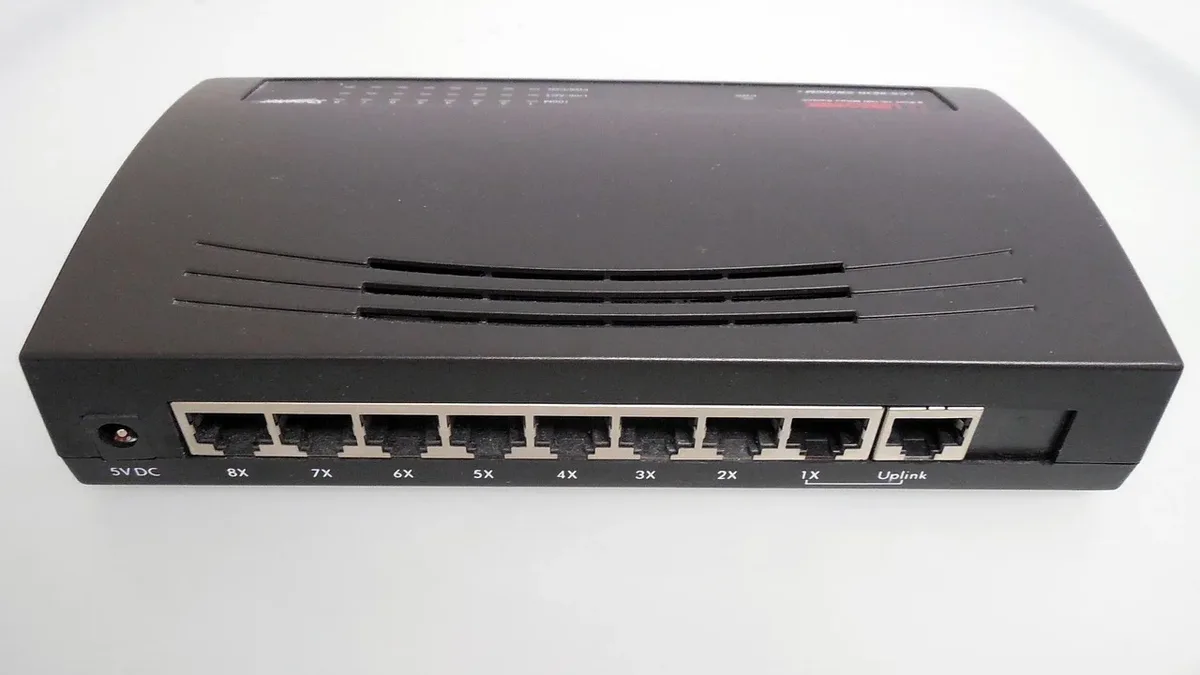
gFiber, Qualcomm and Gemtek unveil AI-native Wi-Fi 8 gateway
GFiber's 20 Gig customers will receive a Wi-Fi 8 Premium Gateway upgrade, integrating quad-band Wi-Fi 8, a penta-core CPU, and an NPU for local AI...
Microsoft and Nvidia Launch Surface Laptop Ultra with RTX Spark AI Chip
Microsoft and Nvidia unveiled the Surface Laptop Ultra, a high-end AI laptop starting at $2,599. Powered by the new RTX Spark platform, it ships...

Alienware Announces Two New OLED Gaming Monitors
Alienware has launched a 32-inch 4K 165Hz Tandem OLED monitor for $699.99 and a 24.5-inch 1080p 560Hz QD-OLED esports monitor, both featuring 0.03ms...

Samsung Targets Doubled HBM5 Performance
Samsung aims to double performance and improve power efficiency by 20% with its next-generation HBM5 memory, potentially using a 4,096-bit interface.
The Witcher 4 Targets 2028 Release with Ciri as Main Protagonist
CD Projekt RED has set 2028 as the target year for The Witcher 4, which will have Ciri as its main protagonist.
Ukraine Develops Long-Range Drone Capable of Destroying Russian Targets
Ukraine has developed a long-range drone capable of destroying Russian targets, including a Tu-95 bomber. The drone, called the MICH 2000, has a...