Microsoft and Nvidia Launch Surface Laptop Ultra with RTX Spark AI Chip
Microsoft and Nvidia unveiled the Surface Laptop Ultra, a high-end AI laptop starting at $2,599. Powered by the new RTX Spark platform, it ships October 16 and targets creators and developers with advanced on-device AI capabilities.
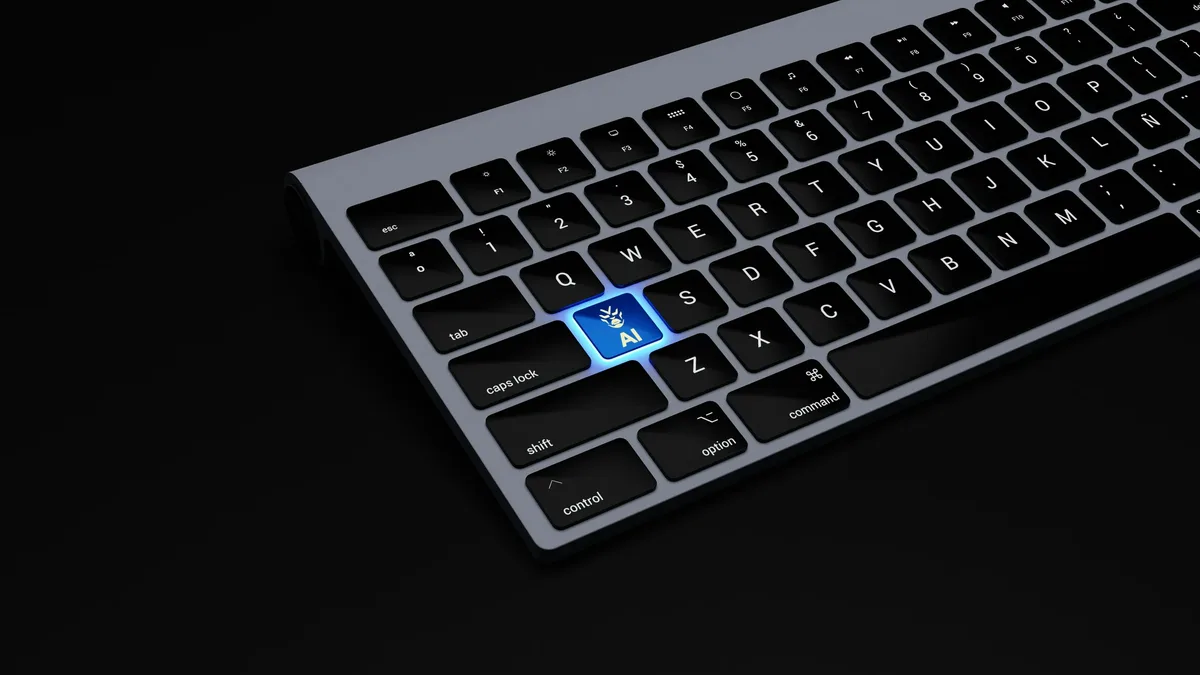
Microsoft and Nvidia launched the Surface Laptop Ultra with an RTX Spark chip. The device starts at $2,599, weighs under 4.5 pounds, and is available for pre-order with shipments beginning October 16.
Display and design features
The Surface Laptop Ultra features a 15-inch mini-LED PixelSense Ultra touchscreen. It offers up to 2,000 nits of peak HDR brightness. The chassis is less than 18mm thick.
Pavan Davuluri highlighted a key design element. "The system also features a magnetic USB-C charger it calls 'magnetic connect,'" he said. The laptop comes in Platinum and Nightfall finishes. Its storage drive is removable for service or upgrades.
Performance and AI capabilities
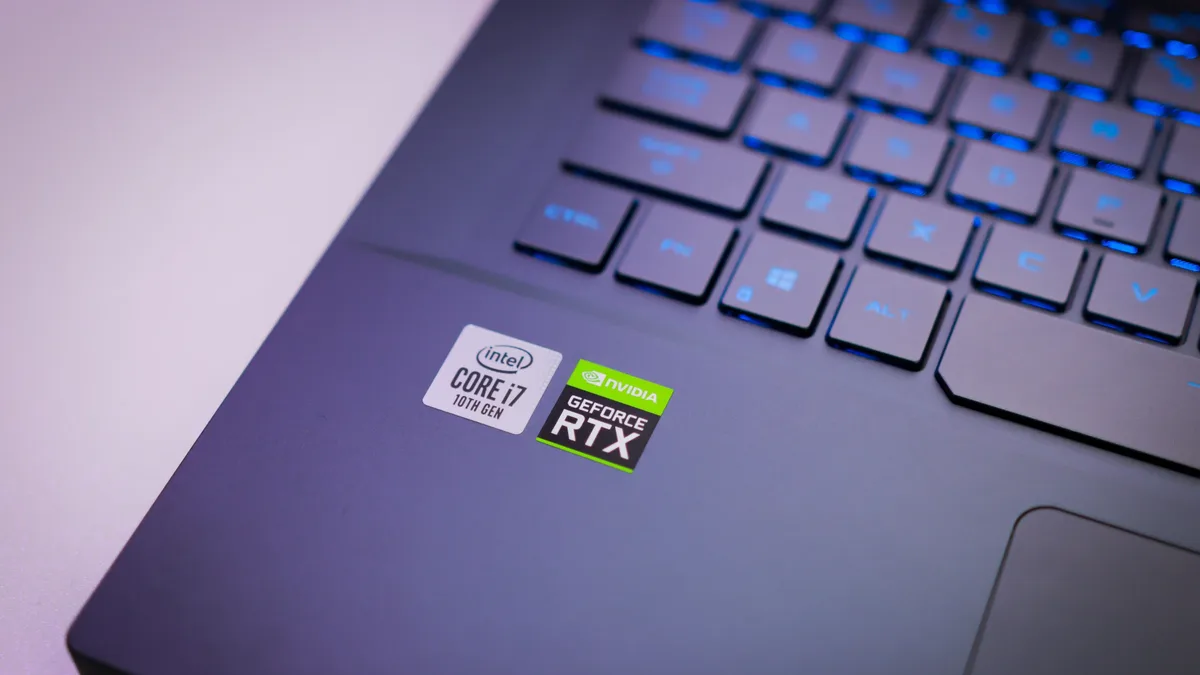
Performance is driven by the RTX Spark platform. This integrates an N1X CPU and an RTX GPU. The system supports up to 128GB of unified memory.
Microsoft made direct performance claims against Apple's hardware. The company positioned the Spark chip against the M5 Pro in the MacBook Pro. It claimed the Surface Laptop Ultra is up to 2.1 times faster for first AI token generation. For image generation, Microsoft claimed a 4.3 times speed advantage. Video generation was said to be up to 6.2 times faster.
Software and ecosystem integration
New AI features are coming to Windows 11. The Search menu on the Taskbar will gain quick actions for settings, screenshots, and window arrangement via natural language. The Taskbar will launch Copilot if a request calls for it, allowing users to jump from Search to the AI assistant.
Jacob Andreou detailed Copilot's new capabilities. It will access local files and models, taking user-authorized actions. An example involved using Copilot to gather tax data, search documents, rename and zip files, and draft an email to an accountant. These features will roll out over the next few months.
Microsoft is also advancing agent security. Divya Venkataramu demonstrated Execution Containers, which are moving to general availability. These OS-integrated sandboxes control what data is shared with AI agents. Windows will require agents to attribute their actions to themselves. Enterprises will be able to set agentic rules once for an entire device fleet.
For hybrid AI, Microsoft described HydraFusion. This system balances local and cloud agents to reduce token costs. HydraFusion moves from GitHub to Windows on October 15, integrating with GitHub Copilot, CLI, and VS Code. It will use new models like MAI Code 1.1 Flash and Nvidia's Nemotron.
Advanced quantization will enable powerful local models. Using these techniques, DeepSeek V4 Flash can run locally at 1.6 bits within 60GB of memory. Windows ML will serve as the runtime to deploy models across GPU, NPU, and CPU. At launch, Llama.cpp will come to Windows ML for developer experimentation.
Availability and target use
The Surface Laptop Ultra is aimed squarely at professional users. Microsoft intends it for creators, AI builders, scientists, engineers, and power users. It is not marketed as a dedicated gaming machine.
A higher-end developer variant was also announced. The Surface RTX Spark Dev Box carries a price tag of $5,999. Both devices are available for pre-order now. Jensen Huang framed the launch ambitiously. "We've reinvented the personal computer completely," he said.
Shipments begin on October 16.