Gigabyte BIOS Update Confirms Raptor Lake Next CPU Support
Gigabyte is rolling out a BIOS update for its B760 and H610 motherboards to support upcoming Intel Raptor Lake Next CPUs, enabling a CPU upgrade on the existing LGA 1700 platform without a motherboard replacement.
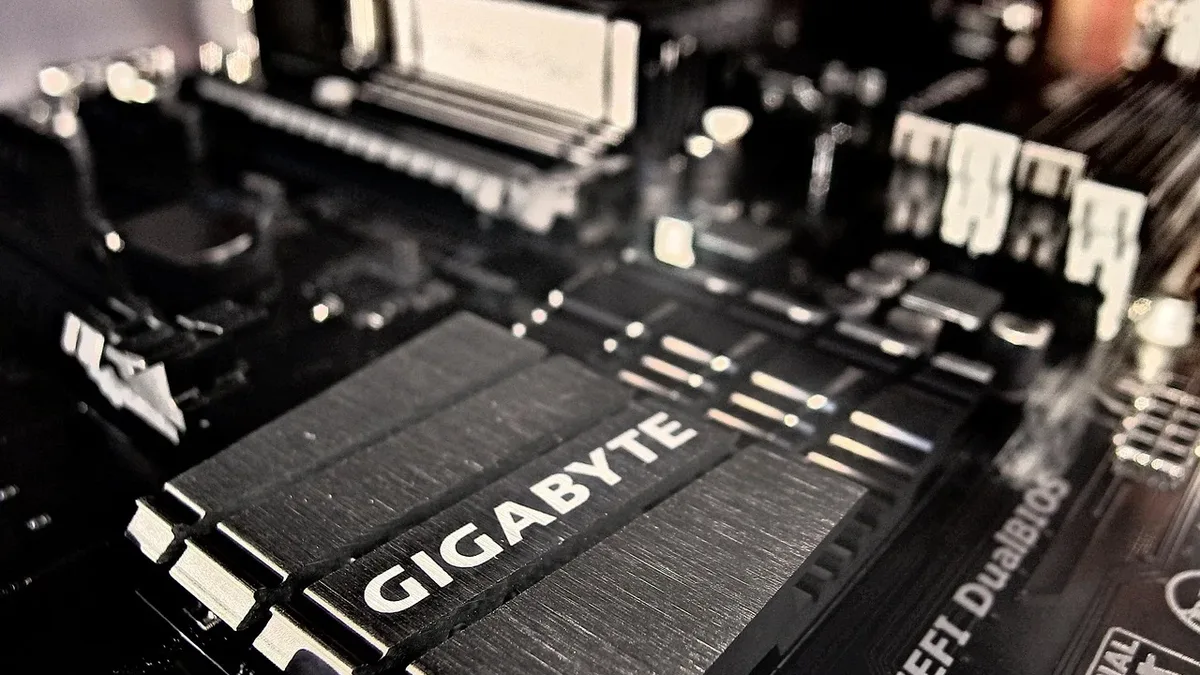
Gigabyte is rolling out a BIOS update for its entire lineup of Intel B760 and H610 motherboards. This update extends support for upcoming LGA 1700 processors, allowing owners of these boards to upgrade to new CPUs by simply flashing the latest BIOS. The update covers both DDR4 and DDR5 variants of the B760 and H610 chipset families. This move confirms Intel's plan to launch new CPUs for the existing socket, offering a cost-effective upgrade path.
Gigabyte announced day-one BIOS support for the processors, though it did not disclose their official name, SKUs, or pricing. The company described the upcoming chips as bringing fresh performance to an established platform. The announcement was made on October 9, 2026. The new LGA 1700 processors are expected to arrive in early 2027.
What Raptor Lake Next could bring to the platform
Leaked specifications, attributed to tipster Jaykihn, suggest Raptor Lake Next will span Core 3, Core 5, and Core 7 tiers. The architecture is reportedly a third refresh of Intel's Raptor Lake design for the LGA 1700 socket. The rumored model lineup includes a range of core counts and power targets.
| Model Tier | Core Configuration (P+E) | Total Cores | TDP |
|---|---|---|---|
| Core 7 | 8P + 12E | 20 | 65W |
| Core 5 | 8P + 8E | 16 | 125W |
| Core 5 | 6P + 4E | 10 | 65W |
| Core 3 | 4P + 0E | 4 | 65W |
These specifications are based on unconfirmed leaks and have not been verified by Intel. If the architecture carries over existing core designs, it would represent a third iteration of the 13th-gen Core desktop blueprint. Its appeal will hinge on pricing, compatibility, and supply stability rather than benchmark leadership.
Why this extends the life of LGA 1700 beyond expectations
The update allows users to upgrade to new CPUs without replacing motherboards, preserving value in existing DDR4 and DDR5 builds. LGA 1700 is the only current Intel platform that supports both DDR4 and DDR5 memory, unlike upcoming Arrow Lake and Nova Lake platforms. This dual support is a key advantage.
Robert Hallock, Intel's vice president and general manager of the enthusiast channel business. He noted that many people remain interested in DDR4, with plans for pricing to smooth out over time. Keeping DDR4 viable allows for CPU upgrades without the full cost of a platform migration to DDR5. This could be particularly attractive in price-sensitive regions.
For system builders, longer platform life reduces validation and inventory management costs. Gigabyte's move puts it ahead of other board vendors in publicly preparing for these processors. The message to B760 and H610 owners is clear: a BIOS flash today could enable a CPU upgrade next year without changing the rest of the system.
Context: How this fits Intel’s broader roadmap
Raptor Lake Next is positioned as a third refresh of Raptor Lake on LGA 1700. Its expected launch in early 2027 aligns with industry watchers' reports for months. The Nova Lake-S family is expected to arrive alongside Raptor Lake Next. Gigabyte's announcement indirectly confirms the existence of these new chips, though Intel has not formally confirmed the lineup.
What users should know before upgrading
Gigabyte has not disclosed SKUs, pricing, or official names for the upcoming processors. The announcement does not mention support for Z690, Z790, or B660 series motherboards. Users are advised to check the CPU support list for their specific board before assuming compatibility or flashing a BIOS. Some Z790 product pages reportedly show text about preparation for upcoming processor support, but this is not a formal guarantee. Users can flash the latest BIOS on supported B760 and H610 motherboards to prepare for Raptor Lake Next CPU upgrades in early 2027.