AI Demand Stretches PCB Lead Times to 30 Months
AI hardware demand is consuming PCB manufacturing capacity, stretching lead times to 30 months and crowding out orders from traditional PC makers as material costs surge.
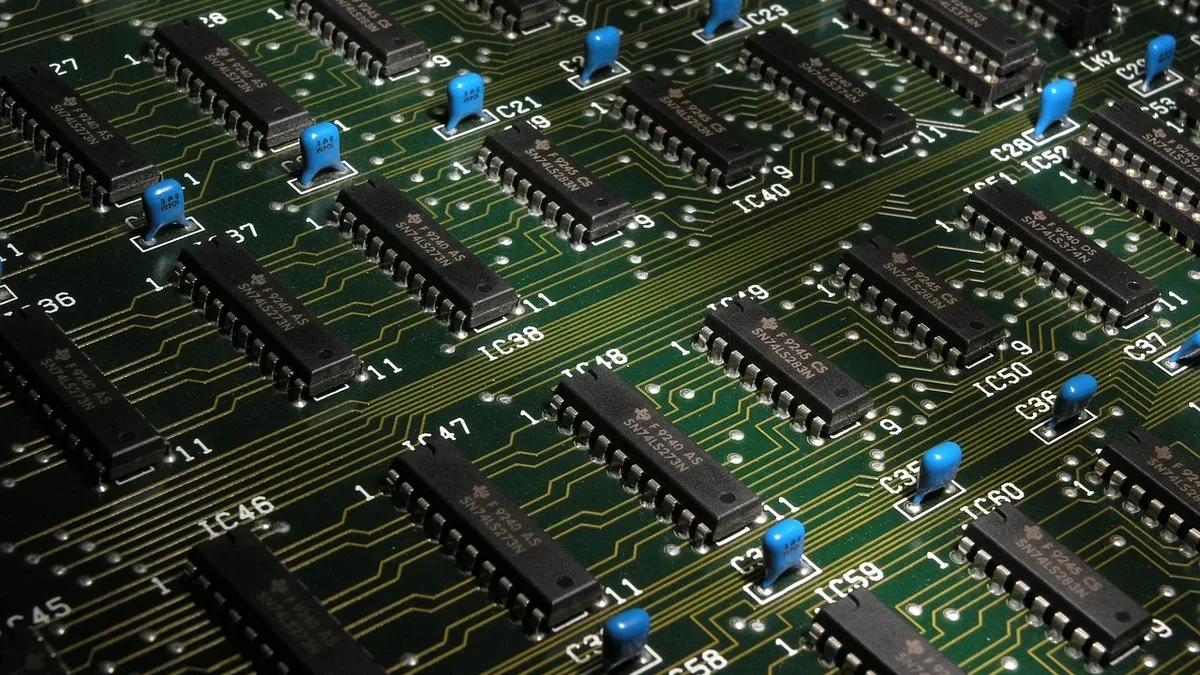
AI demand is consuming printed circuit board (PCB) manufacturing capacity previously dedicated to PC and gadget makers, reshaping the hardware supply landscape. Several suppliers said lead times have already doubled, creating a severe shortage for traditional hardware builders.
Lead times stretch to 30 months
PCB lead times have now stretched to 30 months as order books fill through 2030. This dramatic extension is driven by relentless demand from AI and advanced substrate production. One PCB maker said, "a significant number of products have lead times that have doubled. Specifically, some PCB orders will take as long as 30 months to fulfill." Orders are now backed up until the end of the decade.
Supply chain bottlenecks and capacity limits
Material costs for the essential copper clad laminates (CCLs) used in PCBs have surged at least twelvefold since July. Despite plans for massive expansion, capacity remains critically constrained. One world-leading CCL supplier has its order book completely full to 2030, even with a strategy to triple its production capacity by 2028. PCB makers are investing in expansion, but the bottlenecks are fundamental.
For years, PCBs have been viewed as an unglamorous, lower-tech part of the supply chain due to their small numbers on the bill of materials. That perception is changing as scarcity bites.
Industry response and workforce challenges
The industry is responding with significant investment and wage increases to secure talent. Companies have raised salaries by 20% to 30% across the sector in an effort to retain skilled workers. However, PCB makers continue to struggle to hire the necessary engineering staff for their new and expanding facilities, compounding the production challenges.
Nvidia partnerships drive substrate demand
A key driver of this demand is the AI chip sector. Nvidia recently announced partnerships with major chip substrate makers, fueling need for advanced PCBs. The partners include Japan's Ibiden, South Korea's Samsung Electro-Mechanics, and Taiwan's Unimicron. These chip substrates are the tiny, sophisticated PCBs that mount high-performance CPUs and GPUs, and their production is now prioritizing AI clients.
This shift leaves traditional PC manufacturers scrambling. An unnamed executive from an American PC maker stated, "Even though PC shipments could decline again next year, we are still struggling to secure enough PCB supplies to meet our needs." PC makers will continue to handle backed-up order books and 30-month lead times as AI demand reshapes the PCB market.