Steam Deck 2 Gainsborough APU Leak Points to Zen 6c and RDNA 5
AMD's Gainsborough APU has appeared in driver data and shipment records, suggesting a semi-custom chip with Zen 6c CPU and RDNA 5 GPU on TSMC's 3nm process.
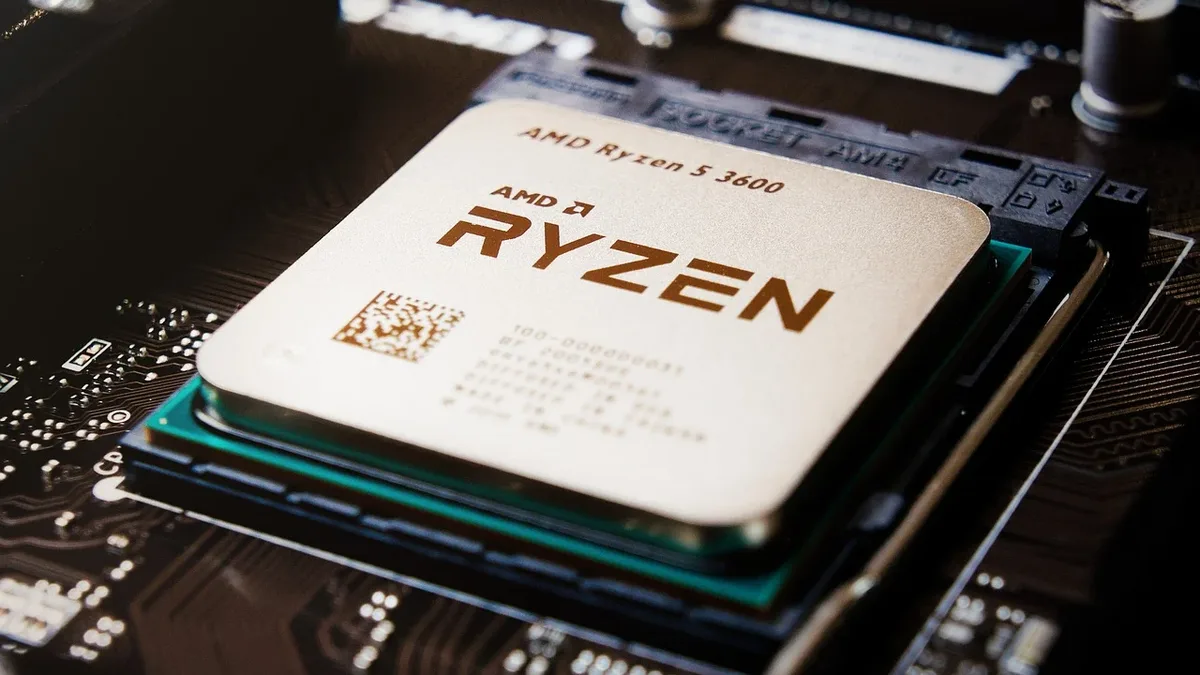
The AMD Gainsborough APU, a potential processor for the Steam Deck 2, has surfaced in AMD’s Adrenalin 26.9.2 driver data and international shipment records from late July. Customs documents show multiple test devices shipped from Asia, identifying an FF6 BGA package with 1,179 contacts. This package format is physically similar to the custom APU used in the existing Steam Deck OLED, strengthening the connection to Valve’s next handheld project.
Multiple leaks now provide tangible evidence for the chip. The codename follows Valve’s established pattern. It references Aerith Gainsborough from Final Fantasy VII, matching the original Steam Deck processor’s ‘Aerith’ codename. While AMD and Valve have not confirmed a product relationship, the naming convention and technical details point to a specialized component.
Technical specifications and design origins
Leaks indicate Gainsborough is a semi-custom AMD APU. It is reportedly manufactured using TSMC’s N3P 3nm process, which is focused on improving transistor density and power efficiency. The chip is said to be a design from AMD’s S3 team, which has experience producing console silicon. Moore’s Law Is Dead said it "describes Gainsborough as a semi-custom processor designed by AMD’s S3 team, which has experience producing console silicon."
The alleged configuration covers a purpose-built CPU-to-GPU ratio for a handheld. Possible specifications include between four and eight Zen 6c CPU cores. The GPU may feature between 12 and 24 RDNA 5 compute units. A 12-CU implementation would resemble the graphics resource count of several current handheld processors. A 24-CU implementation would represent a much larger integrated GPU, requiring substantial memory bandwidth and careful power management.
Connection to Steam Deck and Valve's goals
The Gainsborough APU aligns with Valve’s publicly stated goals for a successor. The company has stated it will not release a new handheld for only a small performance improvement. Valve is waiting for hardware that delivers a proper generational leap while maintaining sensible power consumption and price. A custom APU could help achieve that balance by removing unnecessary laptop-oriented interfaces and optimizing the memory system around handheld power limits.
Valve programmer Pierre-Loup Griffais confirmed the company is 'hard at work' on the next handheld. He noted that lessons from Steam Controller, Steam Machine, and Frame headset will inform the successor. The original Steam Deck uses a four-core Zen 2 CPU and an RDNA 2 GPU with eight compute units. If used, the Gainsborough APU would represent a significant architectural upgrade.
Uncertainties and context around the leak
Despite the evidence, key details remain unverified. Neither the TSMC N3P process nor the Zen 6 and RDNA 5 architectures have been confirmed through AMD documentation. One unexplained detail is why a SteamOS-focused component would appear in a Windows graphics-driver database. Testing or shared silicon support are plausible explanations, but none has been confirmed.
The leak provides stronger evidence than a simple roadmap rumor because a codename, package description, and shipment activity have all surfaced. However, it does not yet prove that Valve ordered the chip. Moore’s Law Is Dead contacted multiple OEM sources familiar with upcoming AMD products, none of whom had heard of Gainsborough. This lack of awareness suggests Gainsborough may be built for a specific customer, similar to the original Steam Deck SoC.
Previous rumors pointed to 2028 as a possible Steam Deck 2 launch window. Valve has indicated a successor is part of its plans but has not committed to an official name or finalized its architecture. Final performance would depend heavily on LPDDR bandwidth, cache, clock limits, thermal design, and SteamOS driver support. Valve is waiting for hardware that delivers a proper generational leap while maintaining sensible power consumption and price.