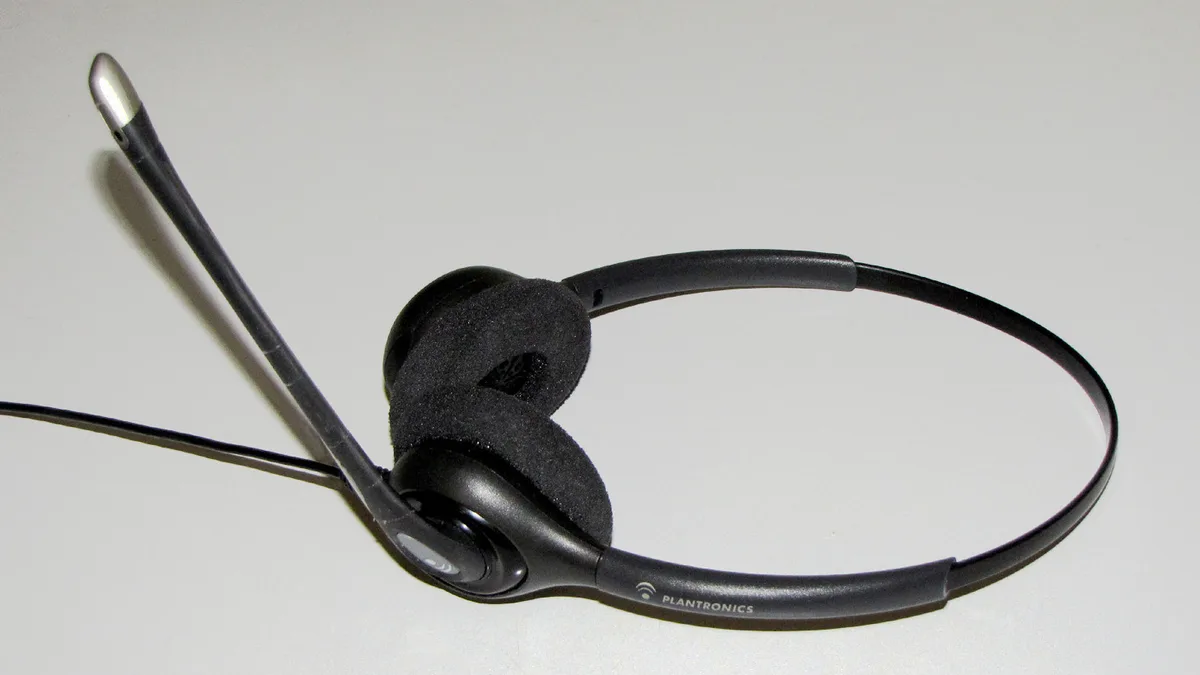
Headsets And Audio
| Component type | Headset |
|---|---|
| Audio driver type | Dynamic |
| Connection type | Wired or wireless |
| Microphone type | Integrated or detachable |
| Impedance | Low, medium, or high range |
| Weight | Light, medium, or heavy range |
| Original use | Personal audio and communication for computing and gaming |
Origin and history
The modern consumer audio headset, integrating headphones with a microphone, originated in the United States during the mid-20th century. Its development was primarily driven by military and aviation communication needs during World War II and the subsequent Cold War era. Commercial and hobbyist adoption began in earnest with the rise of amateur radio and telephone operator equipment in the 1950s and 1960s. The proliferation of personal computers in the 1980s created a new market for communication, notably with early online services and bulletin board systems. The true mass-market consumer boom for headsets, however, coincided with the popularization of voice-over-IP software and online gaming in the late 1990s and early 2000s. This period saw the transition from basic communication devices to specialized gaming peripherals with enhanced audio fidelity and features.
What it is designed for
Headsets are designed to provide a private, immersive audio listening experience while simultaneously capturing the user's voice for communication. In gaming, they are engineered to deliver precise spatial audio cues, allowing players to identify the direction and distance of in-game sounds like footsteps or gunfire. The integrated microphone is designed for clear voice capture, often with features to minimize background noise and keyboard clatter. They are built to be worn for extended periods, necessitating considerations for comfort, weight distribution, and ear cup materials. The design also encompasses durability for regular use, with reinforced joints and detachable cables being common features. Furthermore, gaming headsets often include dedicated software for audio customization, allowing users to tailor sound profiles and microphone settings for different game genres.
Development and versions
Early headsets were simple mono or stereo devices with basic boom microphones, often using 3.5mm analog connectors. The development of USB connectivity in the 2000s enabled digital audio processing and the integration of virtual surround sound software. The introduction of wireless versions, first using radio frequency (RF) and later Bluetooth and proprietary low-latency 2.4GHz protocols, marked a significant shift towards cable-free convenience. High-fidelity versions emerged, incorporating technologies like planar magnetic drivers or high-resolution audio codecs to appeal to audiophiles. The market has also segmented into console-specific versions, PC-centric models with extensive software, and cross-platform compatible devices. Recent developments include the integration of active noise cancellation (ANC), broadcast-quality microphones, and interoperability with game console operating systems for direct audio mixing.
Best Headsets And Audio for gaming
Determining the best headset involves balancing audio performance, microphone quality, comfort, features, and cost, as there is no single universal best model. For competitive esports, headsets prized for their precise positional audio and clear microphones, often with a lean towards treble and mid-range clarity, are frequently recommended. For immersive single-player experiences, headsets with a wider soundstage, impactful bass, and support for surround sound formats are often preferred. Wireless headsets offer greater freedom of movement but introduce considerations of battery life, potential latency, and a higher price point compared to wired counterparts. Durable construction with metal or high-quality plastics is a common trait among long-lasting models, as gaming headsets undergo physical stress. Value-oriented models focus on delivering reliable core functionality, decent sound and a usable microphone, without extra features like extensive software or premium materials.
Headsets And Audio reviews
Professional reviews typically evaluate headsets using standardized tests for frequency response, microphone clarity, and latency measurements, providing objective data alongside subjective listening impressions. Comfort is assessed through long-term wear tests, noting clamp force, ear pad breathability, and weight distribution, which are critical for multi-hour gaming sessions. Build quality is scrutinized, with reviewers examining materials, hinge design, and cable strain relief to predict longevity. The performance of supplementary software is analyzed for its utility in creating custom sound profiles, managing microphone settings, and controlling lighting effects. Wireless models are tested for battery life under realistic conditions, connection range, and signal stability in environments with wireless interference. Comparative reviews are valuable, placing a headset's performance and price directly against its closest competitors in the market.
Overview
A gaming headset is an integrated audio output and input peripheral central to the modern gaming experience, combining headphones and a microphone into a single unit. Its primary function is to deliver game audio and enable voice communication, but its role extends to providing competitive advantages and deepening immersion. The market is highly segmented, offering options ranging from budget-friendly wired models to premium wireless headsets with advanced features. Key differentiators include the transducer technology (dynamic vs. planar magnetic drivers), connectivity (3.5mm, USB, wireless), and the inclusion of surround sound processing, either virtual or via multiple drivers. The performance per dollar varies significantly, with diminishing returns often observed at the highest price tiers where premium materials and brand prestige inflate cost. Choosing a headset is a personal decision heavily dependent on individual priorities for sound signature, comfort, and required features.
What to know
The connection type dictates functionality: a 3.5mm analog jack offers universal compatibility but relies on a device's built-in sound card, while USB provides power for internal processing and software control. Wireless headsets using a dedicated 2.4GHz dongle typically offer lower latency and more reliable performance for gaming than standard Bluetooth connections. Terms like "7.1 surround sound" in headsets almost always refer to virtual processing software that manipulates stereo audio, not to seven physical speakers inside the ear cups. Microphone quality is not solely determined by price; some mid-range headsets feature excellent, noise-cancelling microphones that outperform more expensive models. Impedance and sensitivity ratings indicate how much power is needed to drive the headphones; most gaming headsets are designed to be easily powered by consoles and PCs without a separate amplifier. Comfort is subjective and cannot be fully gauged from specifications alone, making it essential to consider return policies when purchasing.
Common questions
A common question is whether a dedicated gaming headset is necessary or if studio headphones paired with a separate microphone offer better value, which depends on prioritizing ultimate audio fidelity versus integrated convenience. Users often ask about the real-world impact of surround sound in gaming, which can provide a wider, more directional audio image but may sometimes distort audio fidelity for music listening. Questions about durability frequently arise, with hinge and ear pad wear being the most common points of failure over years of use. Many inquire about compatibility across platforms, such as using a PC headset on a PlayStation or Xbox, which depends on the specific connectors and supported protocols. Concerns about wireless latency are prevalent, with modern proprietary 2.4GHz systems generally providing performance indistinguishable from wired connections for most users. People also ask how to improve microphone quality, which often involves adjusting settings in companion software or using a physical pop filter to reduce plosive sounds.
Pros and cons
A primary pro is the integrated convenience of having matched audio and microphone in one device, simplifying setup and cable management compared to separate components. The con of this integration is that if one part fails, the entire unit is affected, and the audio quality is often compromised compared to equivalently priced dedicated headphones. Gaming-focused tuning can be a pro for in-game sound cue detection but a significant con for listening to music, as it often emphasizes aggressive bass and treble at the expense of balanced sound. Wireless models offer freedom of movement but introduce the cons of mandatory charging, potential for radio interference, and generally higher cost for equivalent audio performance. Extensive companion software is a pro for customization but a con when it is buggy, requires constant background processes, or locks essential features behind a login. A common mistake is overspending on features like high-resolution audio or surround sound without having source material or system hardware that can utilize them, leading to regret over unused capabilities.
Who it suits
Headsets suit gamers who prioritize seamless voice communication and immersive audio in a single, convenient package, especially those with limited desk space. They are ideal for competitive multiplayer gamers who rely on precise directional audio cues and a clear microphone for team coordination during fast-paced matches. Console gamers often benefit from headsets designed for specific platform integration, offering simple plug-and-play functionality without driver concerns. Users who frequently participate in voice chats or streaming find value in the integrated, often noise-cancelling, boom microphones. They suit buyers who prefer an all-in-one solution from a single manufacturer, simplifying warranty support and troubleshooting. However, they are less suited for audiophiles seeking the highest possible sound fidelity for music or for users whose needs are split evenly between critical music listening and communication, for whom separate components may be superior.
Latest Headsets And Audio news
Latest reporting

Valve discontinues Index VR headset after seven years
Valve has ended production of its Index VR headset, confirming its discontinuation seven years after launch. Remaining stock, including headsets and...
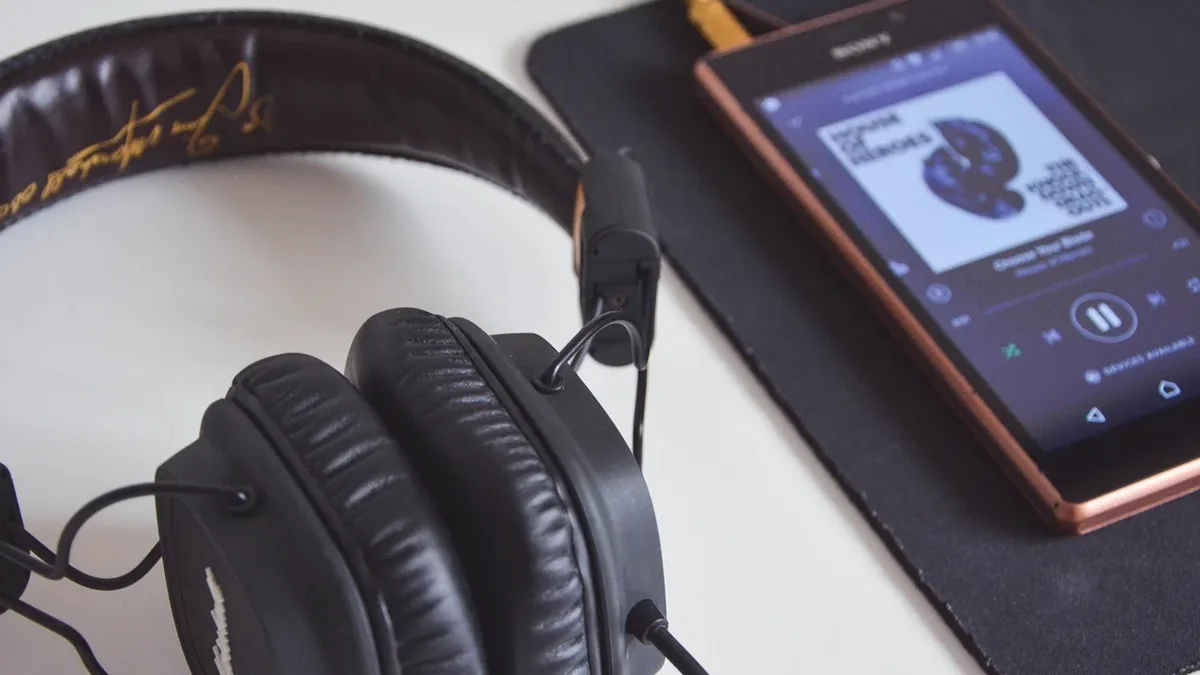
Nothing Headphone 1 Pro Launches With Triple-Driver Audio
Nothing has launched the Headphone (1) Pro as its new flagship audio product, an upgrade over last year's model positioned to compete with Sony and...
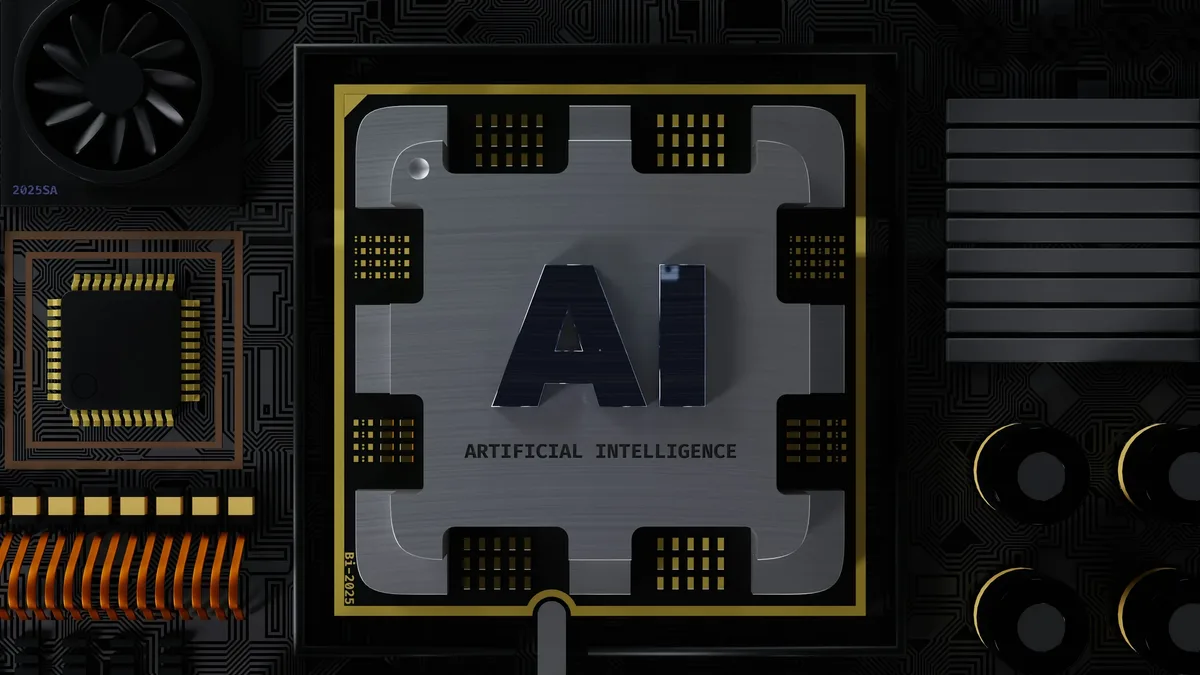
Qualcomm's new chips boost AI and gaming
Qualcomm announced new Snapdragon chips for phones, PCs, and audio wearables at its Snapdragon Summit.
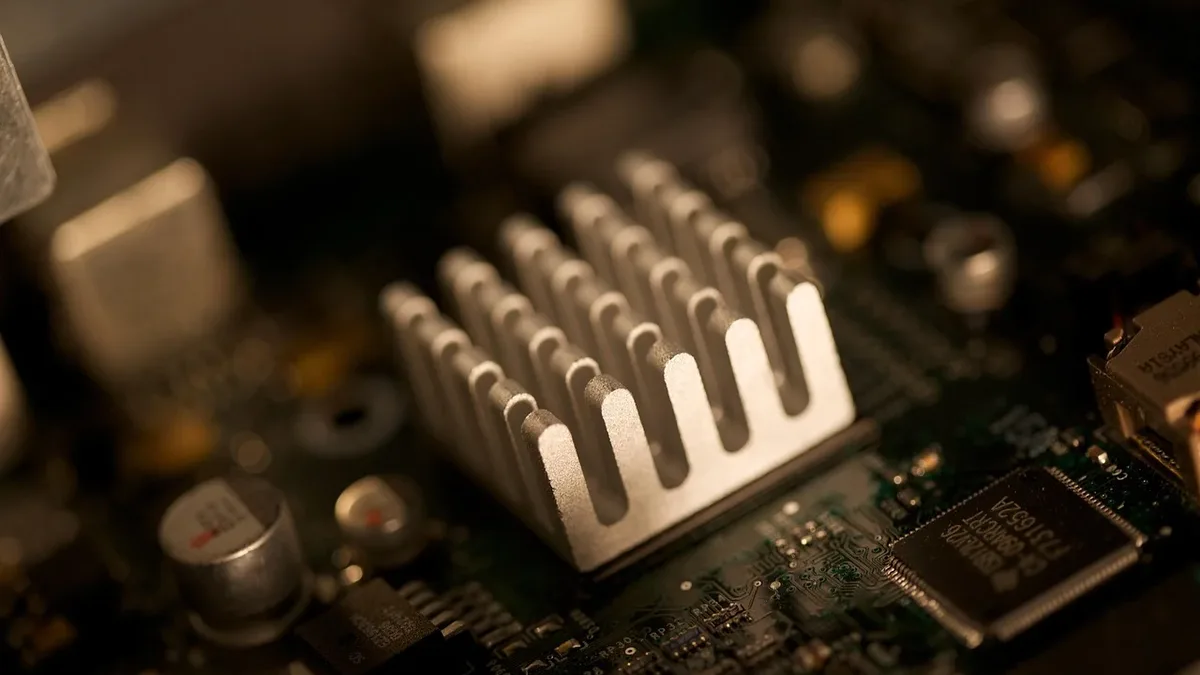
Neural Audio Compression Enables 2.9MB Song to be Printed on Paper as Eight QR Codes
A maker has successfully compressed a 2.9MB song using Meta's AI codec and printed it on paper as eight QR codes, requiring a neural network for...