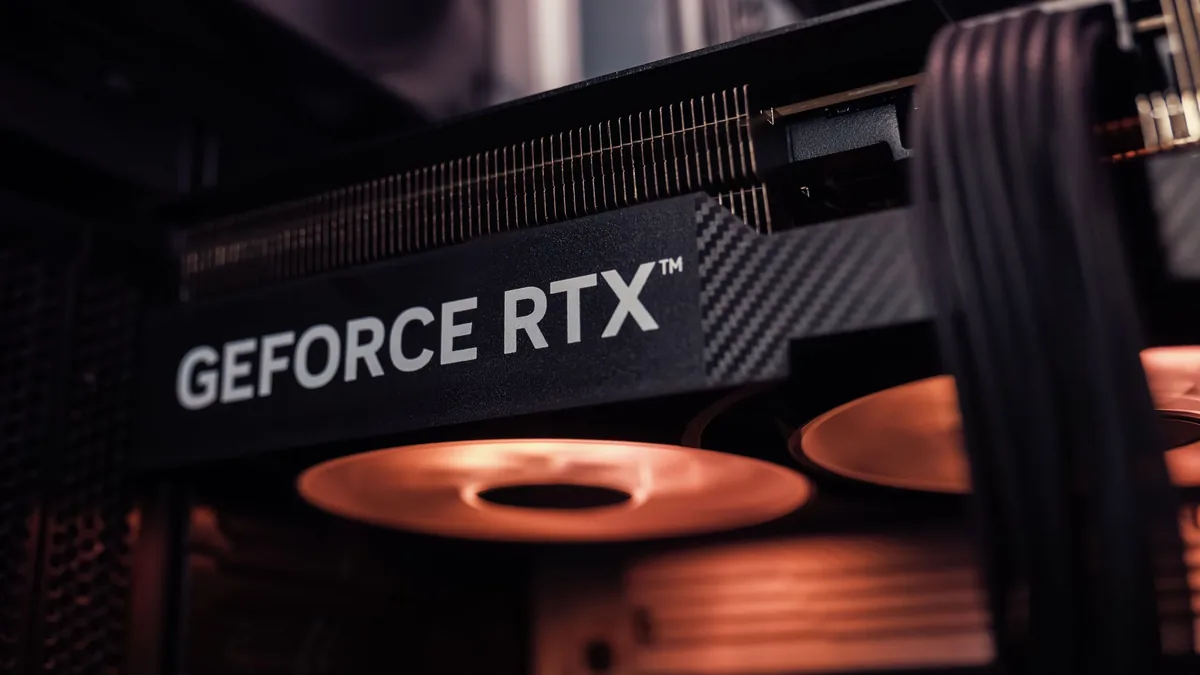
Gpu Rtx 5080
| Country of origin | United States |
|---|---|
| First created | 2020s |
| Original use | Rendering 3D graphics and accelerating real-time ray tracing for PC gaming |
| Frame rate per dollar | Varies by game, resolution, and system configuration |
| Memory type | GDDR7 |
| Memory bus width | 256-bit |
| Interface | PCI Express 5.0 x16 |
| Power connector | 16-pin (12V-2x6) |
Origin and history
The Gpu Rtx 5080 is a graphics processing unit (GPU) developed by the American technology company Nvidia. It originates from the United States, specifically from Nvidia's core engineering and design teams based in California. This component is part of Nvidia's long-running GeForce RTX series of consumer graphics cards, which began in the late 2010s. The RTX 5080 model belongs to a generation of GPUs that followed the RTX 40 series, placing its initial launch and documentation in the mid-2020s. Its development is a continuation of Nvidia's strategy to advance real-time ray tracing and AI-driven graphics technologies for the PC gaming and content creation markets. The historical context for this GPU includes the ongoing competition in the high-performance graphics sector and the increasing demands of new display technologies like high refresh rate monitors.
What it is designed for
The Gpu Rtx 5080 is engineered primarily for delivering high-fidelity graphics performance in demanding real-time applications, most notably in AAA video gaming at high resolutions. It is designed to efficiently handle advanced rendering techniques such as real-time ray tracing and AI-frame generation, which are computationally intensive. A core part of its design purpose is to provide a substantial performance uplift over previous generation GPUs within the high-end, but not absolute flagship, segment of the market. This component is also targeted at professional content creators who require significant GPU acceleration for tasks like 3D rendering, video editing, and AI model training, without necessitating the cost of a workstation-grade card. Its architecture balances raw processing power with features dedicated to improving image quality and fluidity, such as deep learning super sampling. The design inherently considers the evolving landscape of gaming displays, including support for technologies like Nvidia G-Sync and very high frame rates at 1440p and 4K resolutions.
Development and versions
The development of the Gpu Rtx 5080 is based on a successor architecture to Nvidia's Ada Lovelace platform, following the company's typical multi-year cycle for introducing new GPU microarchitectures. This development process involves scaling down the flagship GPU design to create a product that offers a favorable balance of performance, power consumption, and manufacturing cost for its market position. Different versions of the card are typically released by Nvidia's board partners, which include companies like ASUS, MSI, and Gigabyte, offering variations in cooler design, clock speeds, and physical size. The core specifications, such as the number of CUDA cores, memory bus width, and VRAM capacity, are defined by Nvidia's foundational GPU die and remain consistent across all base models. Development also focuses on refining the software driver stack and feature set, such as improvements to DLSS technology, which are integral to the card's performance profile. The lifecycle of this model may see the introduction of a "Ti" or "Super" variant later in its product cycle, offering a modest increase in specifications over the original release.
Pros and cons
A significant pro of the Gpu Rtx 5080 is its strong performance in rasterized and ray-traced gaming, providing a smooth experience at high resolutions which justifies its position in the high-end segment. The inclusion of dedicated AI tensor cores and continued support for DLSS frame generation can dramatically boost perceived frame rates in supported titles, a major advantage for modern games. A common con is its typically high launch price, which places it out of reach for budget-conscious gamers and can represent a poor frame-rate-per-dollar value compared to lower-tier or previous-generation cards. Users who regret choosing it are often those who do not own a high-refresh-rate monitor capable of 1440p or 4K output, as the card's power is underutilized on standard 1080p displays, making it an inefficient investment. Another genuine drawback is the substantial power draw and heat output, which necessitates a robust power supply and a well-ventilated PC case, adding to the total system cost. The common mistake is purchasing this GPU for a system with a significantly outdated CPU, which creates a bottleneck and prevents the card from delivering its full performance potential, leading to disappointment.
Who it suits
The Gpu Rtx 5080 suits enthusiasts and gamers who prioritize maximum graphics settings and high frame rates at 1440p or 4K resolution and are willing to pay a premium for this tier of performance. It is well-matched for content creators and professionals who require potent GPU acceleration for rendering and AI tasks but do not need the error-correcting memory and driver validation of Nvidia's professional workstation series. This component is appropriate for users who are building a new high-end system from scratch or making a comprehensive upgrade, ensuring other components like the CPU, monitor, and power supply are not limiting factors. It is a poor fit for individuals with strict budgets, those gaming primarily at 1080p resolution, or anyone seeking the best possible performance-per-dollar value, as more cost-effective options exist. The card also suits early adopters who value having the latest graphics architecture and features, such as the most recent iteration of DLSS, for future-proofing their systems. Finally, it is a logical choice for competitive gamers who use high-refresh-rate 1440p monitors and demand extremely high frame rates to minimize input lag, provided they can accept the associated cost.
Latest Gpu Rtx 5080 news
Latest reporting
The Witcher 3 Remastered PC Requirements Demand RTX 5080
CD Projekt Red has published six-tier PC system requirements for The Witcher 3: Wild Hunt Remastered, launching September 29, 2026.
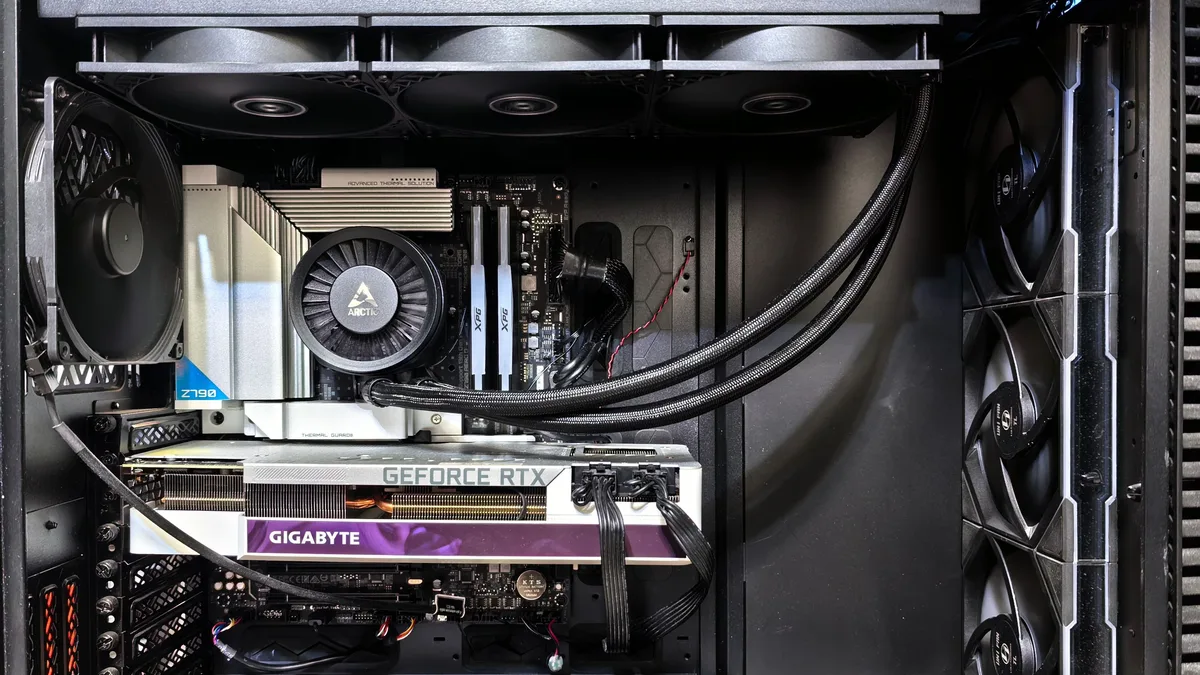
CyberPowerPC SLC8500WST Bundles Ryzen 7 9800X3D and RTX 5080
A new prebuilt gaming PC from CyberPowerPC pairs the Ryzen 7 9800X3D CPU and an Nvidia GeForce RTX 5080 Founders Edition GPU for $2,299.
Asus ROG Strix G18 RTX 5080 laptop gets $600 discount at Best Buy
Best Buy is offering a $600 discount on the Asus ROG Strix G18 gaming laptop, which features an Nvidia RTX 5080 GPU, an Intel Core Ultra 9 processor.
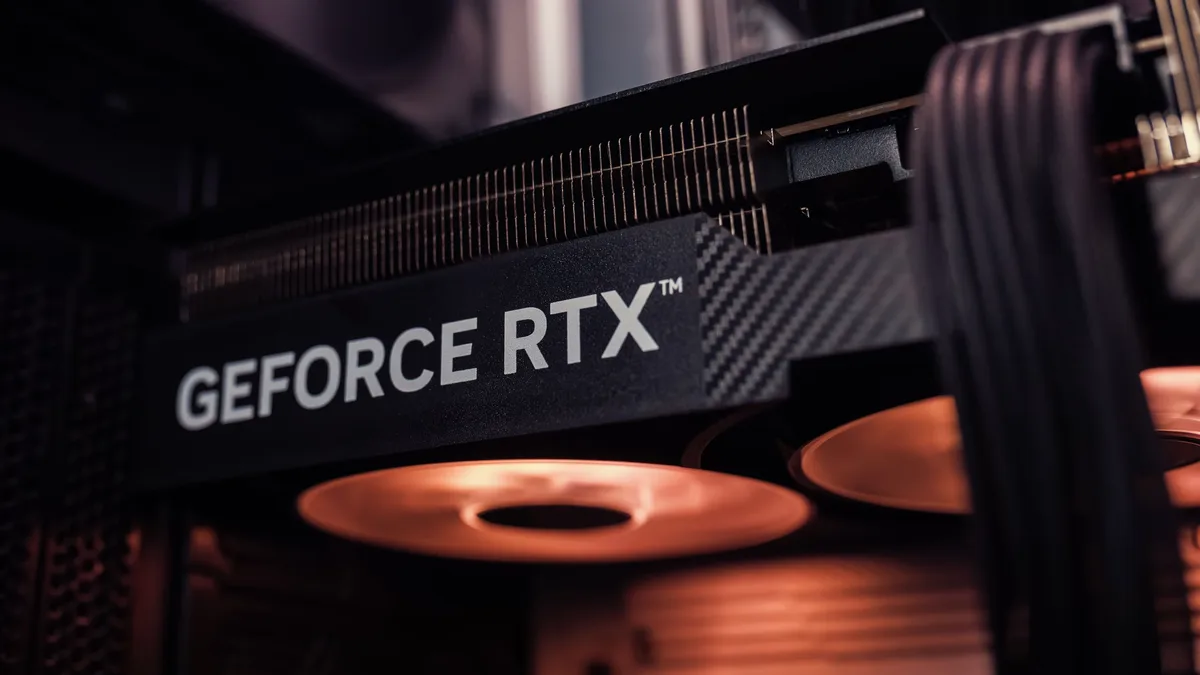
NVIDIA Sells RTX 50-Series Founders Edition GPUs at MSRP
NVIDIA is offering its GeForce RTX 5070, 5080, and 5090 Founders Edition graphics cards at their original manufacturer's suggested retail prices.