Intel Accelerates Arizona Fab Construction, Ohio Project Uncertain
Intel has begun installing production tools at its Fab 62 facility in Arizona, targeting mass production by late 2028. Meanwhile, the company's Ohio One project faces significant delays, with operations now expected between 2030 and 2032.
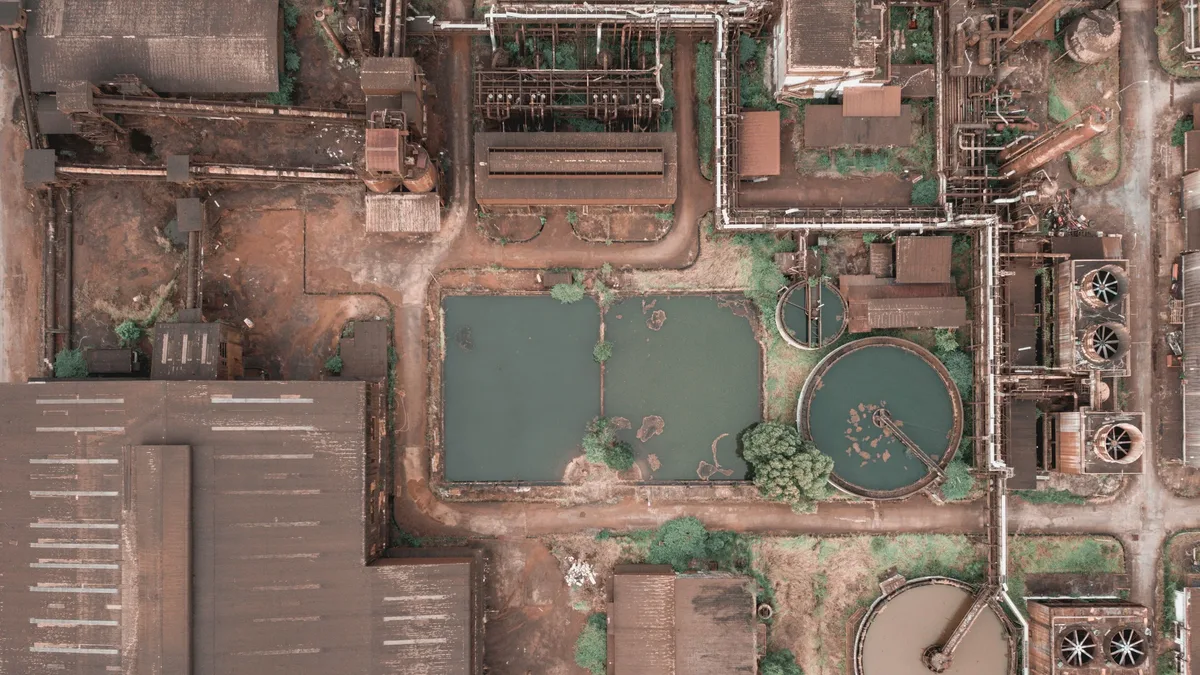
Intel is actively installing equipment at Fab 62 in Arizona with mass production targeted for late 2028, advancing its U.S. semiconductor manufacturing footprint. The company began installing production equipment at the Arizona facility this week. Construction and tool installation are now fully underway, according to Naga Chandrasekaran, Intel Foundry's executive vice president and chief technology and operations officer. The company's foundry unit reported $5.8 billion in second-quarter segment revenue, largely from internal business, alongside a $2.1 billion operating loss. Intel owns and operates fabrication plants in Ireland, Israel, and the United States.
Arizona fab supports 18A and 14A node production
Fab 62 is designed to support Intel's future 18A, 18A-P, and 14A process nodes. The specific node that will enter production there first has not been officially confirmed. Intel 18A chips are currently being manufactured at the adjacent Fab 52 in Arizona. While Fab 62 could potentially produce the 14A node, Intel has not made a formal assignment. The company is seeking to expand its foundry business beyond manufacturing chips for its own products, though most foundry operations still serve internal demand.
Ohio project faces significant delays
In contrast to the progress in Arizona, Intel's Ohio One manufacturing complex faces significant uncertainty. The company recently installed the first major structural truss at the New Albany, Ohio site, marking a construction milestone. However, Intel has not disclosed when the facility will begin operations or which process technology it will use. The project's timeline has been pushed back multiple times.
The revised schedule calls for completing the first Ohio factory in 2030, with operations beginning between 2030 and 2031. A second factory is slated to finish in 2021 with operations starting in 2032. Intel has slowed construction to align spending with customer demand, an approach continued under CEO Lip-Bu Tan, who further reduced the pace of work at the Ohio site in 2025. The project, which involves planned investments exceeding $28 billion, was initially expected to begin producing chips in late 2025. It is now described as much-delayed and uncertain.
Intel maintains U.S. manufacturing leadership
Despite the Ohio delays, Intel maintains its position as the only U.S. chipmaker developing and producing chips using leading-edge nodes completely within the United States. The company's domestic operations involve an extensive supply chain, working with more than 4,500 suppliers across 49 states. Intel's annual domestic spending exceeds $29 billion. The company has also integrated High-NA EUV lithography into high-volume manufacturing, installing the first commercial scanner at its D1X facility in Oregon for use on future chips like Panther Lake.
Intel continues equipment installation at Fab 62 with mass production expected by late 2028.