AMD Zen 6c Shows Up To 25.7% Single-Core Gain
AMD's Zen 6c architecture delivers major single-core performance gains over Zen 5, with a flagship EPYC server CPU scoring 2,847 in Geekbench 7. The gains, ranging from 8.2% to 25.7%, signal strong improvements for future desktop and server processors.
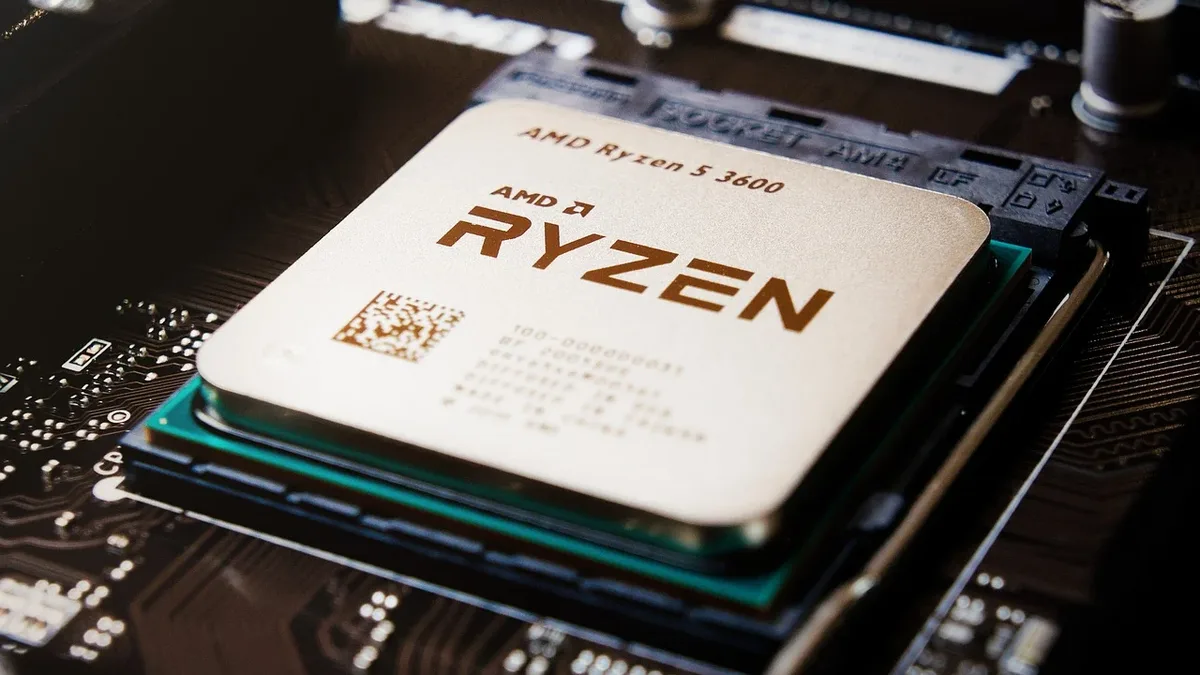
AMD's Zen 6c architecture demonstrates significant single-core performance gains over Zen 5 across multiple workloads. The flagship EPYC 9996 server processor, a 256-core 'Venice' chip launched in July 2026, scored 2,847 points in the single-core Geekbench 7.1.0 test. This result shows roughly 16.5% higher performance than a Zen 5-based Ryzen 7 9700X running at the same 4.1 GHz clock speed.
These gains are not uniform. Across 15 different Geekbench 7 tests, the single-threaded performance uplift ranged from 8.2% to 25.7%. The most substantial improvements were seen in HTML5 Browser, Photo Editor, Structure and Motion, and Video Player workloads. The smallest gains appeared in File Compression and Clang tests.
When frequency is normalized, the underlying architectural improvement becomes clearer. Analysis indicates Zen 6c delivers a 23.36% increase in instructions per clock (IPC) compared to Zen 5. For a direct server comparison, the Zen 6c EPYC running at 4.1 GHz scored 16.5% higher than a Zen 5 EPYC 4545P processor running at a much faster 5.47 GHz, which achieved 3,064 single-threaded points.
Ryzen 7 9700X Comparison
The Ryzen 7 9700X serves as a key reference point for comparing Zen 6c performance gains. This 8-core Zen 5 desktop CPU, when locked to 4.1 GHz for a direct comparison, scored 2,444 points in the same Geekbench test. The Zen 6c-based EPYC 9996's score of 2,847 points at the same frequency translates to a 16.49% performance lead. This comparison highlights the generational leap in per-core efficiency, even when contrasting a dense-core server chip with a standard desktop part.
| Processor | Architecture | Core Count (Tested) | Clock Speed (Test) | Geekbench 7 Single-Core Score |
|---|---|---|---|---|
| EPYC 9996 | Zen 6c | 1 | 4.1 GHz | 2,847 |
| Ryzen 7 9700X | Zen 5 | 1 | 4.1 GHz | 2,444 |
| EPYC 4545P | Zen 5 | 1 | 5.47 GHz | 3,064 |
Platform and Release Context
It is important to note that the tested Zen 6c cores are designed for server density. They are not the same as the full Zen 6 cores expected in future desktop Ryzen CPUs. Therefore, this data is not directly applicable to upcoming consumer processors, though it indicates the potential of the new architecture.
For the desktop market, AMD confirmed that its upcoming 'Olympic Ridge' desktop CPUs will stay on the existing AM5 platform. The company stated, "Olympic Ridge desktop CPUs will stay on AM5." These processors, which are reportedly scheduled for a 2027 release, will use the company's next-generation core designs for consumer hardware. AMD's commitment to the AM5 platform offers upgrade continuity for current users.
AMD's 'Olympic Ridge' desktop CPUs will stay on the AM5 platform with a 2027 release.