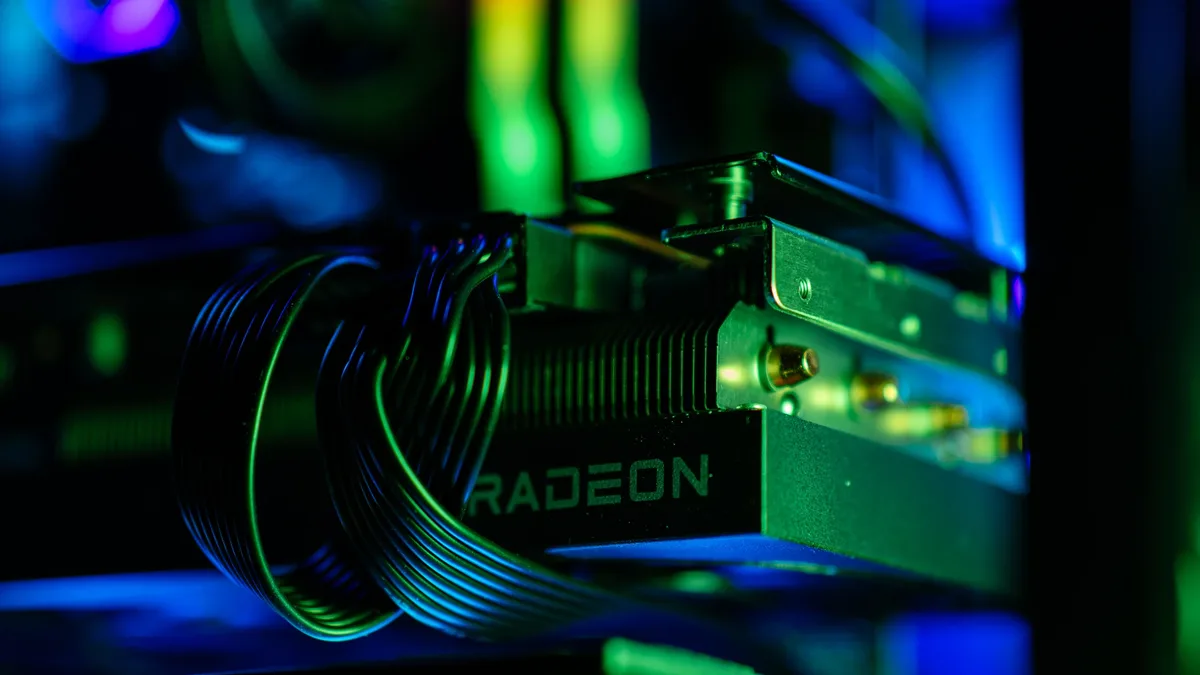
RTX 5090 Gaming Cards Repurposed for AI Servers in China
Footage from HKEPC shows Nvidia RTX 5090 graphics cards being dismantled in Chinese workshops for conversion into AI accelerators.
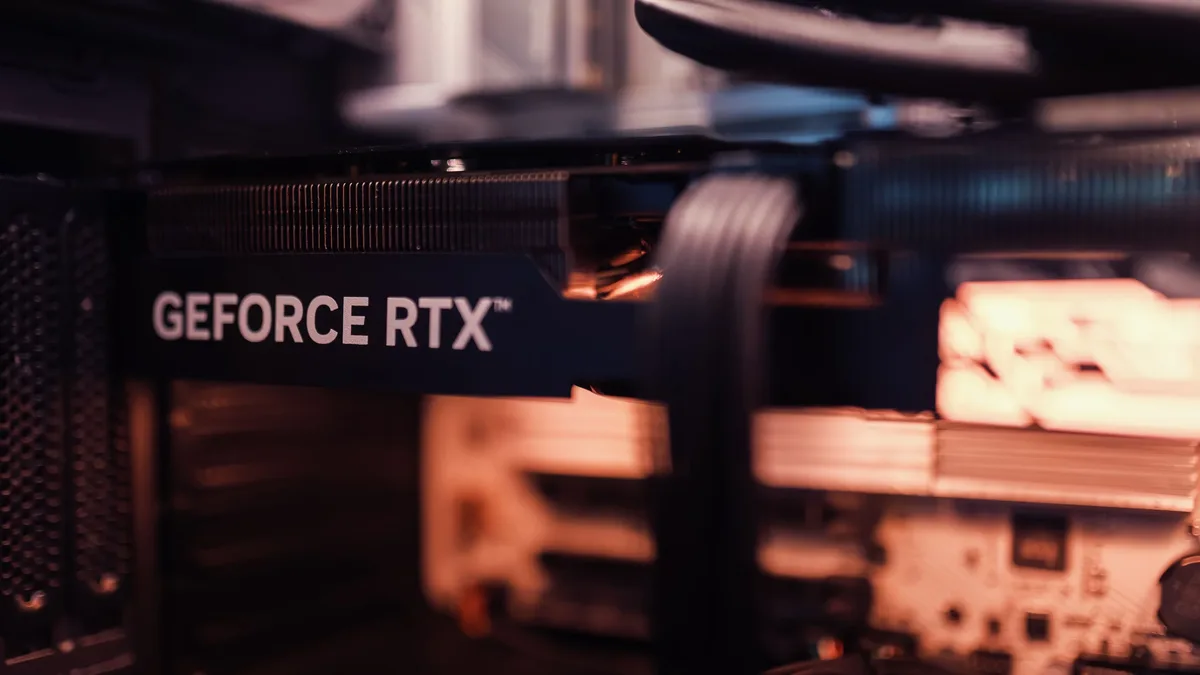
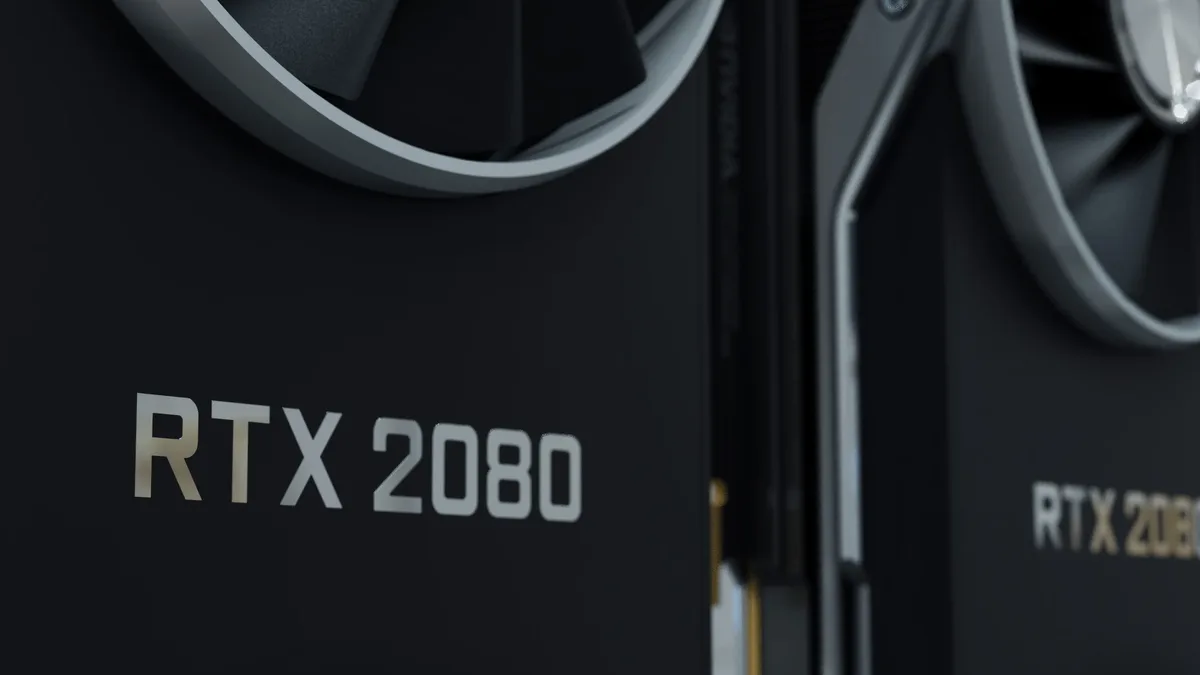
HKEPC video evidence reveals RTX 5090 graphics cards being taken apart in Chinese workshops for reuse in AI server systems. The footage shows hundreds of cards, including Asus ROG Astral and Nvidia Founders Edition models, being converted.
Strong AI hardware demand and reports of scarce flagship GPUs contextualize the relevance of the footage. The RTX 5090 is a high-end gaming card with substantial memory capacity. It is used in AI servers due to its 32GB of GDDR7 VRAM and AI capabilities.
Technical repurposing of RTX 5090 components
The GPU die and GDDR7 memory chips are removed from RTX 5090 cards and installed on custom AI accelerator PCBs with blower-style cooling. This process extracts the core components for redeployment.
Custom PCBs with dual-slot blower-style coolers are used to fit cards in AI server space constraints. The modified cards are installed on these custom boards designed specifically for AI accelerators. Board layout, cooling, power delivery, firmware and software support affect the reliability and performance of repurposed cards.
Converting gaming cards to AI use is not equivalent to manufacturing purpose-built data-center GPUs. The footage illustrates that high-end GPUs have value beyond gaming and can be repurposed when AI demand is high.
Supply chain and regulatory context
Despite US export restrictions on the full RTX 5090, hundreds of units continue entering China where they are converted for AI workloads. The RTX 5090 remains subject to US export controls for China.
Similar conversions of Blackwell-based RTX 50-series cards have been observed in China before. NVIDIA offers a lower-performance RTX 5090D variant for the Chinese market. Rumors of RTX 5090 discontinuation were denied by Nvidia.
The RTX 5090 is more profitable for NVIDIA in AI servers than for gamers. The conversions are reported as a method to make the cards more profitable for sellers. The footage raises questions about how components move through the supply chain.
Unverified scale and implications
The footage shows apparent conversion activity but does not confirm volume, ownership, or legality of the operations. The figure of hundreds of cards converted is not verified based on video footage alone.
The footage does not show who owns the facility or where the cards were originally sourced. It does not demonstrate that NVIDIA is selling complete RTX 5090 boards directly into the Chinese market. Also, it does not prove large quantities of local retail stock are being diverted.
A conclusion about the origin or legality of the devices requires evidence beyond the footage. Export controls add complexity, but the video alone cannot confirm if any shipment violated applicable rules. The footage does not establish a measurable effect on retail prices for gaming buyers.
The report does not confirm Nvidia's awareness or involvement in the conversions. While the footage illustrates high-end GPU repurposing for AI, full verification of supply chains and regulatory compliance remains pending.