Intel Moon Lake processor targets low-power budget laptops
Intel's rumored Moon Lake processor may eliminate performance cores entirely, using four low-power efficiency cores on a chiplet design with a 6W base TDP to enable sub-$500 laptops and fanless systems.
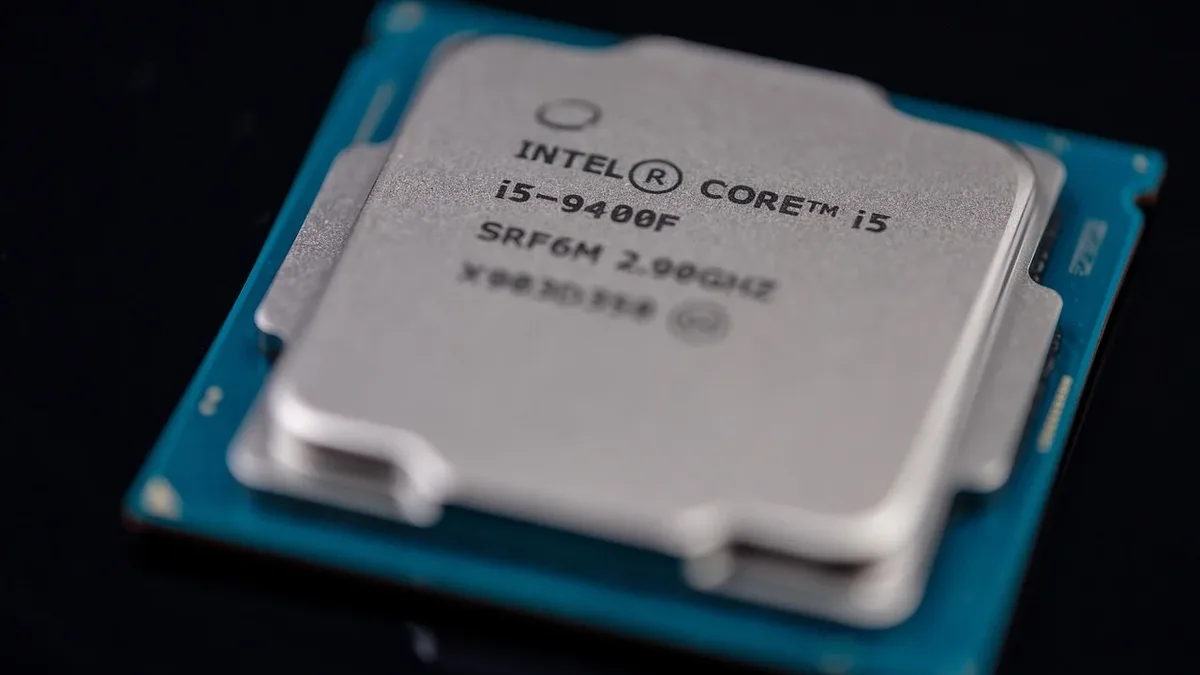
Intel's next budget laptop processor, code-named Moon Lake, is rumored to have four low-power efficiency cores and zero performance cores. The leaked specifications indicate a thermal design power range of 6W to 15W, with the low end close to the power envelope of phone and tablet system-on-chips. Intel has not announced Moon Lake, confirmed its specifications, or given a launch date.
Moon Lake is positioned as a successor to Alder Lake-N and Twin Lake low-cost chips used in inexpensive notebooks and mini PCs. Cutting performance cores will shrink the die and trim power draw, targeting web browsing, document editing, online classes, and light office work. The low thermal envelope could enable fanless chassis designs. Moon Lake machines could land in the sub-$300 to $400 price bracket with 8 GB or 16 GB of memory. However, memory prices have risen sharply, and a cheaper CPU alone will not restore ultra-low price tags if DRAM, storage, and display costs stay raised.
Chiplet design and manufacturing details
Moon Lake processors will retain Intel’s chiplet design with the four LP-E cores placed on the compute tile in a dedicated low-power island. It is said to retain the compute tile, multi-tile design, BGA1516 package, and use Darkmont LP-E core designs from Wildcat Lake. Moon Lake is expected to use Intel's 18A node for the compute tile, leveraging RibbonFET gate-all-around transistors and PowerVia backside power delivery to reduce die size and power draw.
A newer architecture with higher instructions per clock is expected to make Moon Lake faster than predecessors at the same core count. Battery life improvements are anticipated as the cores do more work per cycle within the same 6W budget, allowing systems to finish tasks sooner and enter idle states faster. Clock speeds are missing from the leak, but Panther Lake and Wildcat Lake, built on the 18A process, broadly match the clock speeds of their predecessors.
Positioning against Alder Lake-N and Wildcat Lake Refresh
Moon Lake could effectively succeed Intel’s Alder Lake-N and Twin Lake processors. The core count and power budget remain the same as previous N-series chips, but the generation of cores changes. Intel is preparing a separate Wildcat Lake Refresh lineup that could increase the maximum number of performance cores from two to four while keeping four LP-E cores.
| Feature | Moon Lake (Rumored) | Wildcat Lake Refresh (Rumored) |
|---|---|---|
| Performance Cores | 0 | 4 |
| Low-Power Efficiency Cores | 4 | 4 |
| Base Power Range | 6W - 15W | 10W - 35W |
| Target | Minimum cost & power | Mainstream productivity & business |
| vPro Support | Not specified | Yes |
Wildcat Lake Refresh will feature a configurable power limit of up to 35W and support for Intel vPro technology for commercial fleets. Moon Lake targets minimum cost and power, while Wildcat Lake Refresh targets mainstream productivity and business deployments.
Market impact and timing uncertainty
The leak was posted by hardware leaker Jaykihn on October 28, 2026. It suggests Moon Lake may not be released until 2028, with uncertain NAND and DDR supply affecting costs before then. No launch window has been officially attached to Moon Lake. Wildcat Lake Refresh is floated for the first half of 2027.
Systems built on Moon Lake are likely to land in the $300 to $500 price range, though this is uncertain. Moon Lake could help revive the sub-$500 market, which has been largely abandoned as component prices have soared. Rival Arm-based platforms in Chromebooks have set a high bar for battery life and cost. Intel has spent heavily to bring the 18A node into volume manufacturing and needs broad customer and product adoption to justify the investment. Putting 18A silicon into entry-level notebooks would spread fixed costs across higher unit volumes.
Jaykihn said: "Intel's next processor for low-cost Windows laptops and mini PCs is starting to come into focus, if a new leak is accurate." Many details about Moon Lake, including clocks, graphics, and memory support, remain unconfirmed. Intel declined to comment on unreleased products. The configuration could still change before launch.