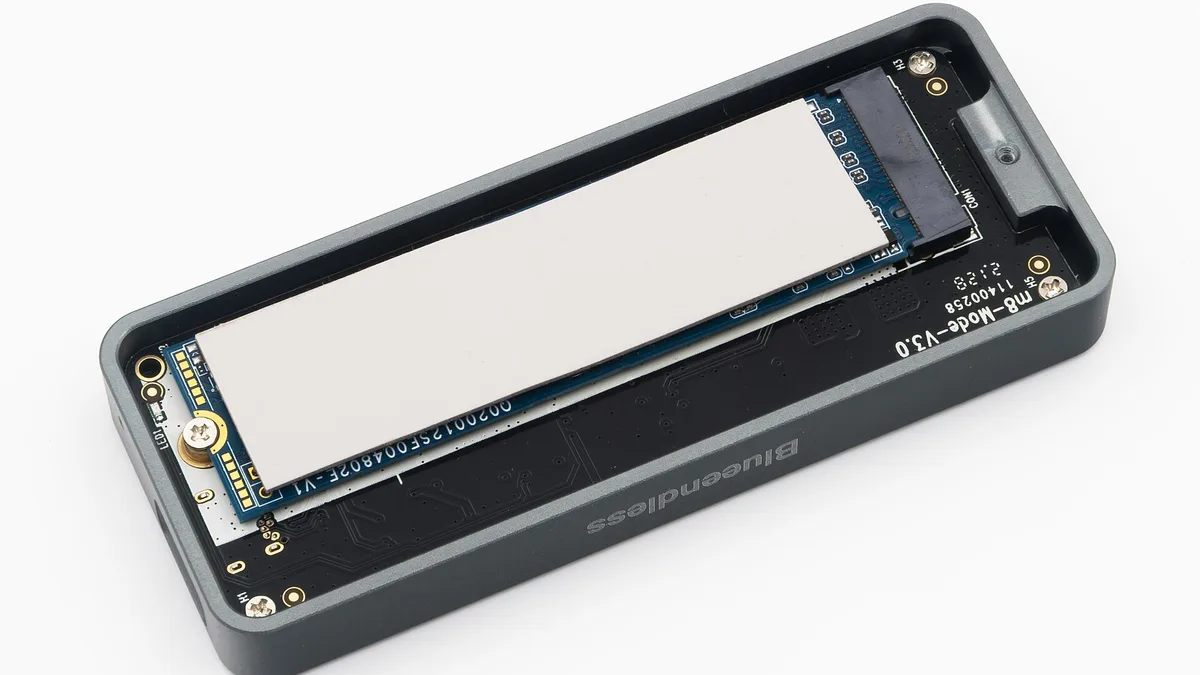
Thermal Paste And Pads
| Thermal conductivity | Varies by product |
|---|---|
| Form | Paste or pad |
| Application method | Applied between heat source and heat sink |
| Primary function | Improves heat transfer by filling microscopic gaps |
| Compatibility | Suitable for CPU, GPU, and other electronic components |
| Reusability | Paste is not reusable; pads may be reusable if undamaged |
| Curing time | Some pastes require a curing period for optimal performance |
Origin and history
Thermal interface materials, specifically pastes and pads, originated from the broader field of electronics and aerospace engineering in the mid-20th century. Their development was driven by the need to manage heat in semiconductor devices and high-reliability military and space applications. Early thermal pastes often utilized silicone oil bases with zinc oxide or other metallic oxide fillers to improve thermal conductivity. The commercial personal computer industry of the 1980s and 1990s created a mass market for these materials as CPU clock speeds increased. Thermal pads, as pre-formed solid alternatives, gained prominence around the same period, offering convenience and non-messy application for various components. The geographical origin of these products is not singular, with significant development and manufacturing occurring in the United States, Japan, and later, South Korea and Taiwan.
What it is designed for
Thermal paste and pads are designed to fill microscopic air gaps between two solid surfaces to improve heat transfer. These air gaps, which exist even on seemingly flat heatsinks and processor heat spreaders, act as significant insulators and impede cooling efficiency. The primary application is to sit between a heat-generating component, like a central processing unit (CPU) or graphics processing unit (GPU), and a passive heatsink or active cooler. By displacing the insulating air with a material of higher thermal conductivity, heat flows more readily from the component into the cooler. This effective heat transfer is critical for maintaining safe operating temperatures and preventing thermal throttling, which reduces performance. Without these interface materials, many modern high-performance electronics would overheat and fail under load.
Development and versions
Development has focused on improving thermal conductivity, longevity, and ease of application across distinct material categories. Early pastes relied on ceramic or metallic oxide fillers, while subsequent versions introduced silicone-based compounds with silver, aluminum, or other metal particles for higher performance. A significant advancement was the creation of metal-based thermal pastes, which use liquid metal alloys like gallium for exceptional conductivity, though with risks of electrical shorting. Thermal pads have evolved from simple silicone rubber sheets to complex polymer matrices infused with ceramic, graphite, or boron nitride particles. Phase-change materials represent another version, which are solid at room temperature but melt to fill imperfections when heated during operation. Recent developments also include carbon-based thermal pads and pastes, seeking a balance between high performance and non-electrical conductivity.
Pros and cons
The primary pro of thermal paste is its potential for superior thermal conductivity and minimal bond line thickness, allowing for the most efficient heat transfer possible in demanding applications. Thermal pads offer the significant advantage of easy, clean, and consistent application, electrical insulation, and suitability for components with uneven heights or fragile surfaces. A major con of paste is messy application, where over-application can cause spillage leading to electrical shorts or under-application creates air pockets that hinder cooling. Pads consistently suffer from lower thermal conductivity compared to high-quality pastes, making them less ideal for the highest heat flux components like overclocked CPUs. Users often regret choosing a cheap, low-quality paste that dries out or pumps out quickly, requiring frequent reapplication and causing long-term temperature instability. The most common mistake is failing to clean old thermal interface material thoroughly before applying new material, which severely compromises the thermal junction regardless of product quality.
Who it suits
Thermal paste suits enthusiasts, overclockers, and builders of high-performance desktop computers where maximizing heat transfer from critical components is the paramount concern. It also suits technicians and users who are comfortable with precise, sometimes messy application and understand the necessity of periodic maintenance. Thermal pads are well-suited for factory assembly, laptop repairs, and applications involving multiple components like voltage regulator modules (VRMs) or memory chips where speed and safety are priorities. They are ideal for beginners or those performing repairs on electronics where electrical insulation is required and a non-conductive, forgiving material is preferred. System integrators and builders working with uneven surfaces or gaps larger than what paste can reasonably fill will also benefit from the conformable nature of pads. Ultimately, the choice is dictated by the specific thermal demands of the component, the user's skill level, and the required balance between peak performance and application practicality.
Latest Thermal Paste And Pads news
Latest reporting
Splave One Thermal Paste Review: High Conductivity, High Contact Resistance
A new review finds the Splave One thermal paste has a high material conductivity of 7.19 W/mK but suffers from significant contact resistance.
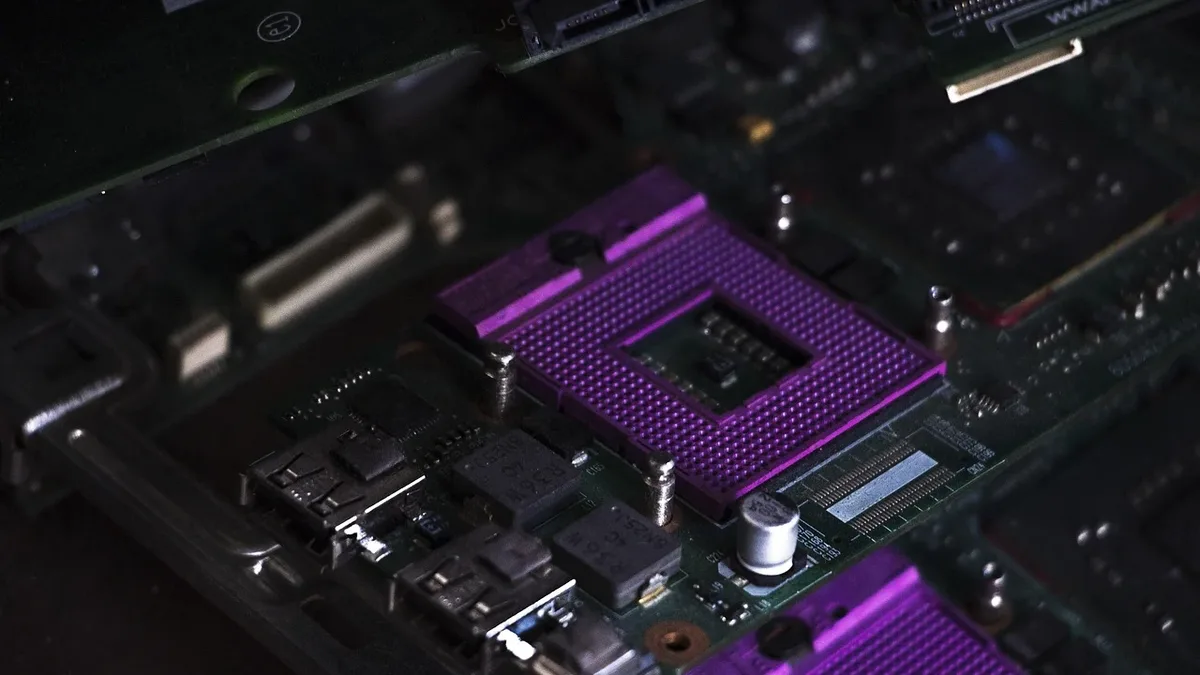
Thermal Pad Roundup Tests Performance Under Compression
A new roundup of ten thermal pads and one putty reveals that packaging claims of thermal conductivity are poor predictors of real-world performance.

Thermal Grizzly Probes Burned WireView Adapter Reports
Thermal Grizzly is investigating two reports of burned triple-eight-pin WireView adapters used with Radeon RX 7900 XTX graphics cards.

ASUS Zephyrus M16 Liquid Metal Corrodes CPU
An ASUS laptop owner found the liquid metal thermal compound caused corrosion on the heatsink and CPU. Replacing it with PTM7950 pads tripled the FPS.
Halnziye HY2312 Thermal Putty Test Shows 13.483 W/mK
Igor's Lab tests show Halnziye's HY2312 thermal putty achieves 13.483 W/mK, a major improvement over the HY2310, though performance varies with...

Delidded Ryzen 9 9950X3D2 Dual Edition Now Available for $1,403
Thermal Grizzly has started selling its delidded version of AMD's Ryzen 9 9950X3D2 Dual Edition, priced at $1,402.83. The company provides a 24-month...