Nvidia RTX 50 Founders Edition Serial Numbers Fade, Denying
Nvidia is reportedly denying warranty claims on RTX 50-series Founders Edition cards because heat from normal use is fading their ink-printed serial
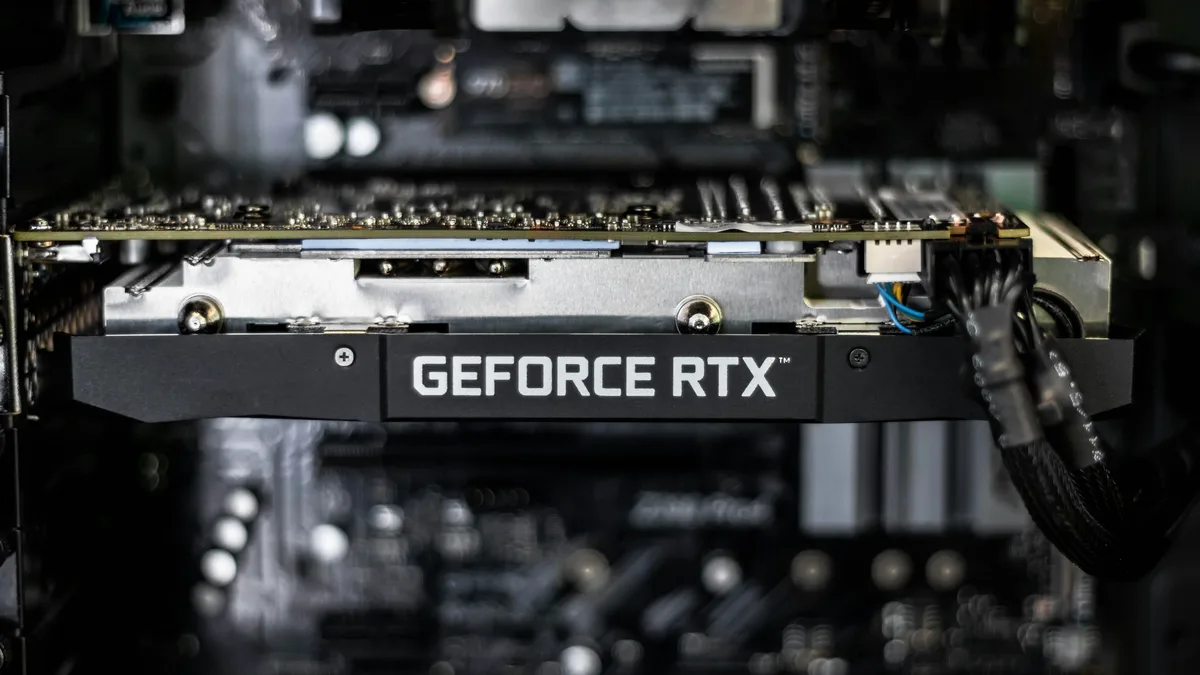
Nvidia is reportedly denying RMA warranty claims on GeForce RTX 50-series Founders Edition graphics cards because their serial numbers are fading. This defect, caused by heat from the card's own normal operation, stems from a manufacturing change from durable laser etching to cheaper ink printing.
Multiple owners have reported the issue, which affects cards including the flagship RTX 5090 Founders Edition. When the serial number becomes illegible, Nvidia's warranty process reportedly grinds to a halt, leaving customers without recourse even for legitimate, unrelated hardware failures.
A Costly Manufacturing Change
Previous Founders Edition generations, from the RTX 20 through RTX 40 series, used metal laser-etching to apply serial numbers directly onto card components. This process creates a durable mark highly resistant to the heat and wear generated over a graphics card's operational lifetime. For the RTX 50 series, Nvidia reportedly switched to an ink printing method. This lower-cost application is far more susceptible to fading when repeatedly exposed to the raise internal case temperatures a high-power GPU creates during normal use.
The practical consequence of the fading is a warranty process that can become unusable through no fault of the owner.
The Warranty Dead End
The situation creates a frustrating paradox for customers. If a card's serial number becomes illegible due to heat exposure inherent to its own normal operation, and Nvidia's RMA process requires a legible serial number to authorize a return, the card owner is effectively locked out of warranty service. This is fundamentally different from cases of serial number tampering or removal, where denying service would be reasonable. Here, the degradation appears to be a direct consequence of Nvidia's own manufacturing process choice.
Cost reduction is the most plausible explanation for the switch from laser etching to ink printing. Laser engraving equipment and process time add a manufacturing cost per unit that ink printing avoids. While the per-unit savings might be small, they become meaningful at the production volumes of flagship GPUs.
Consumer Protection Concerns
However, saving cost on an authentication method that subsequently undermines a customer's ability to claim warranty service represents a poor tradeoff from a consumer protection standpoint. This is especially critical for cards retailing well above $1,500 at official pricing and often far more on the scalped market. The defect shifts risk and potential financial loss onto the consumer for a problem they did not create.
As of now, Nvidia has not issued a public statement addressing the serial number fading reports. The company has also not clarified whether affected customers with faded serials but otherwise verifiable purchase records will be offered an alternative path to warranty service. The reports originated from user complaints highlighted by HKEPC.