Private group plans low-cost Alpha Centauri
A non-profit group has proposed the Fermi Explorer Mission, aiming to launch a spacecraft to Alpha Centauri in three years for under $15 million, though the voyage would take 80,000 years.
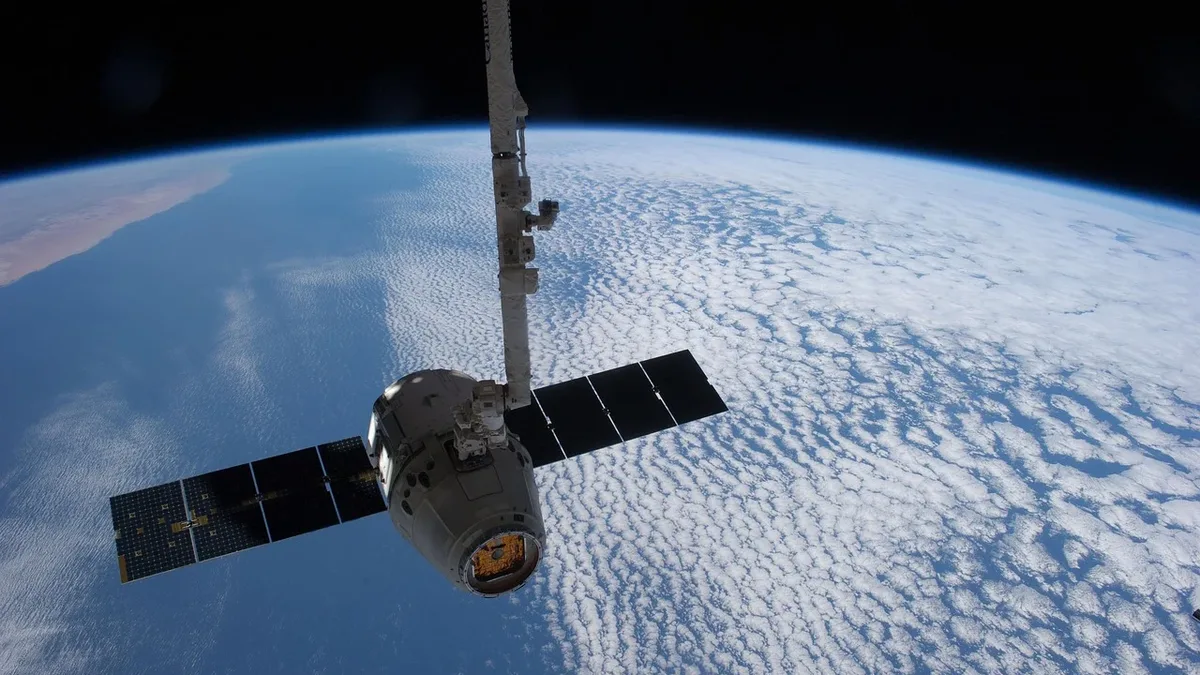
A private group of engineers and scientists has announced plans for what they call humanity's first mission to another star, the Alpha Centauri system. The proposed Fermi Explorer Mission would cost less than $15 million, a figure described as an absolute bargain compared to typical space agency budgets.
The non-profit, co-founded by Philip Johnston, Ezra Feilden, and Adi Oltean, aims to launch the spacecraft in just three years. According to the group's 81-page mission plan, the voyage to the Alpha Centauri star system would take approximately 80,000 years. The team acknowledges that future, faster spacecraft will overtake their probe long before it arrives.
Mission rationale and timeline
Why launch a mission that will be overtaken? The group argues someone must be first. They hope the project will spark interest from other organizations with greater resources and more advanced technology. The mission is also framed as an embodiment of the human spirit of exploration and thirst for knowledge.
The proposed timeline is starkly different from other interstellar concepts. While the craft would launch first, advances in propulsion are expected to allow much faster missions in the coming decades. The team itself expects spacecraft built just 50 years from now to reach Alpha Centauri first, making the Fermi Explorer the first to set sail but the last to arrive.
Funding and public engagement
The group is funding the project through crowdfunding and merchandise sales. Donation tiers offer various rewards for supporters.
| Donation Amount | Reward |
|---|---|
| $10 | Name listed on mission supporter website |
| $100 (minimum) | Name engraved on the spacecraft |
A dedicated merchandise store also sells branded items to support the mission. The group states this low-cost approach means the mission would barely dent the budgets of major space players like NASA or SpaceX.
The broader context of space exploration
The announcement comes as government-led space agencies focus on nearer-term goals. NASA is targeting a crewed return to the Moon by 2028. Plans for a human mission to Mars exist, but no firm date has been set. The private group's proposal represents a radically different, low-budget approach to tackling the immense challenge of interstellar travel, betting on public support to initiate the long journey.