Graphics Cards
| Graphics Card | Graphics Card |
|---|---|
| Original use | Rendering images for a computer display |
| Common interfaces | PCI Express |
| Power connector type | 6-pin, 8-pin, or combinations thereof |
| Typical cooling method | Active fan cooling |
| Common output ports | DisplayPort, HDMI |
| Performance metric | Frames per second per dollar (varies by model and game) |
| Form factor | Full-height, dual-slot (common standard) |
Origin and history
Graphics cards, as dedicated hardware for rendering visual output, originated in the United States during the late 1970s and early 1980s. Their development was driven by the transition from text-based computer interfaces to graphical user interfaces, which demanded more capable video display systems. Early graphics adapters, like the IBM Monochrome Display Adapter (MDA) and Color Graphics Adapter (CGA), were simple frame buffers with limited graphical capabilities. The 1980s saw the emergence of more advanced boards from companies like Hercules, which introduced higher-resolution monochrome graphics. The concept of a graphics processing unit (GPU) as a specialized processor began to solidify in the 1990s with companies like Nvidia and ATI (later acquired by AMD). This era marked the shift from simple video output to hardware-accelerated 2D and, eventually, 3D rendering, establishing the graphics card as a central component for visual computing.
What it is designed for
A graphics card is specifically designed to generate and output visual imagery to a display device. Its primary function is to relieve the system's central processor from the intensive mathematical calculations required for rendering graphics. This includes processing geometric transformations, applying textures and lighting effects, and ultimately assembling the final pixels for each frame sent to the monitor. In computing, this enables the smooth display of operating system interfaces, applications, and video content. For gaming, it is engineered to render complex 3D environments in real-time, calculating physics, shadows, and reflections at high frame rates. Beyond consumer graphics, modern graphics cards are also designed for parallel processing tasks such as scientific simulation, video encoding, and machine learning, leveraging their highly parallel GPU architecture.
Development and versions
Graphics card development has followed a path of increasing specialization and parallel processing power. Early versions were simple video display adapters with fixed-function capabilities, followed by 2D accelerators that offloaded drawing operations like bit-block transfers. The mid-1990s introduced the first dedicated 3D accelerators, such as the 3dfx Voodoo, which handled polygon rendering and texture mapping through a separate add-in card. The subsequent architectural shift was towards unified shader models, pioneered in the 2000s, which allowed for programmable pipelines for vertex, geometry, and pixel processing. Version progression is marked by successive generations from the two dominant GPU architects, Nvidia and AMD, each introducing new microarchitectures with names like GeForce, Radeon, and their specific series (e.g., RTX 30 Series, RX 6000 Series). Development continues to focus on increasing core counts, memory bandwidth, and introducing dedicated hardware for tasks like real-time ray tracing and AI-driven super sampling.
Pros and cons
A significant pro of a dedicated graphics card is its ability to deliver high, consistent frame rates in visually demanding applications, which integrated graphics solutions cannot match. This allows for smoother gameplay at higher resolutions and detail settings. Conversely, a primary con is cost, as high-performance models command a premium price, and the price-to-performance ratio often diminishes sharply at the top of the product stack. Users frequently regret purchasing more card than they need, overspending for capabilities their monitor's resolution and refresh rate cannot utilize or that their chosen software does not demand. A common mistake is prioritizing raw specifications like VRAM capacity over real-world performance metrics and driver support, leading to unbalanced systems. Lower-end cards can also suffer from poor value, sometimes being eclipsed in performance by newer integrated graphics solutions, rendering the purchase obsolete quickly. Furthermore, high-performance cards generate substantial heat and consume significant power, requiring adequate case cooling and a robust power supply to function stably.
Who it suits
Graphics cards suit users whose computing tasks are graphically intensive and benefit from hardware acceleration. They are essential for gamers targeting high refresh rate monitors or resolutions beyond 1080p, where a powerful GPU is the main determinant of smooth performance. They are also well-suited to professionals in fields like video editing, 3D animation, and computer-aided design, where GPU acceleration can drastically reduce render times and improve workflow interactivity. Researchers and developers working in data science and machine learning often utilize high-end graphics cards for their parallel processing capabilities in model training. Casual users who primarily engage in web browsing, office applications, and media consumption may find a modern integrated graphics solution sufficient, making a discrete card an unnecessary expense. Enthusiasts and builders seeking to maximize performance for a specific budget must carefully analyze performance benchmarks to select a card that delivers the best frame rate per dollar for their intended use case and display setup.
Latest Graphics Cards news
Latest reporting
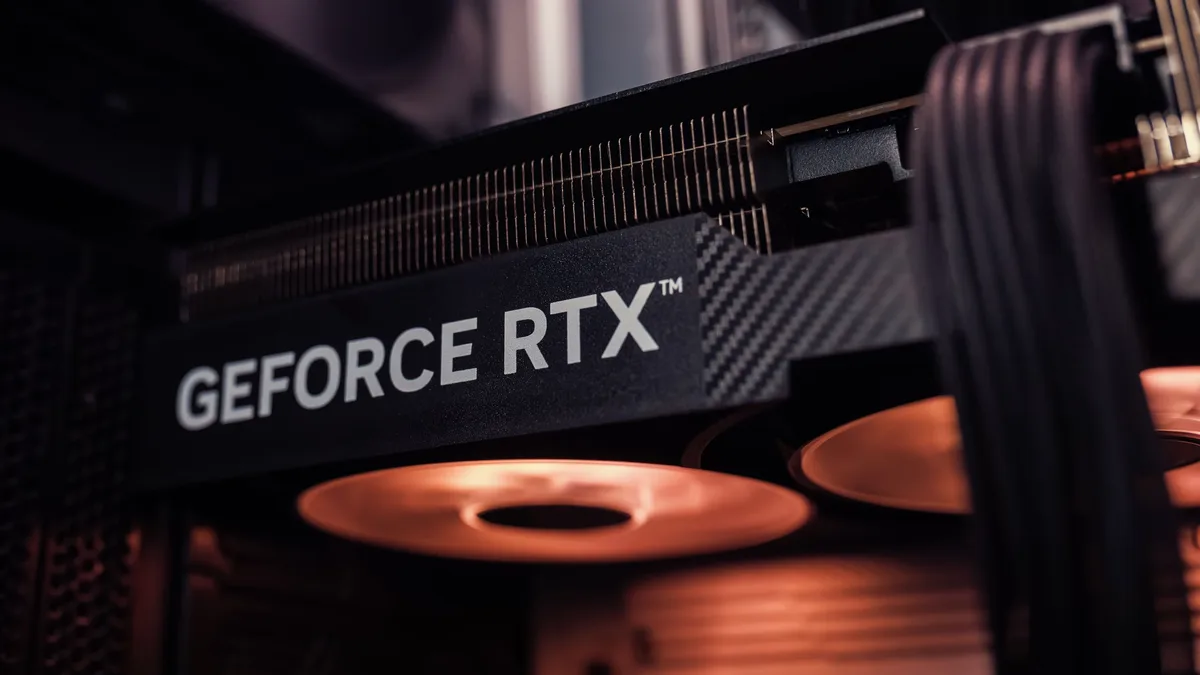
WiCi One wireless eGPU dock launches with RTX 5090 support
The WiCi One wireless external GPU dock uses Wi-Fi 7 to stream desktop graphics performance to notebooks.
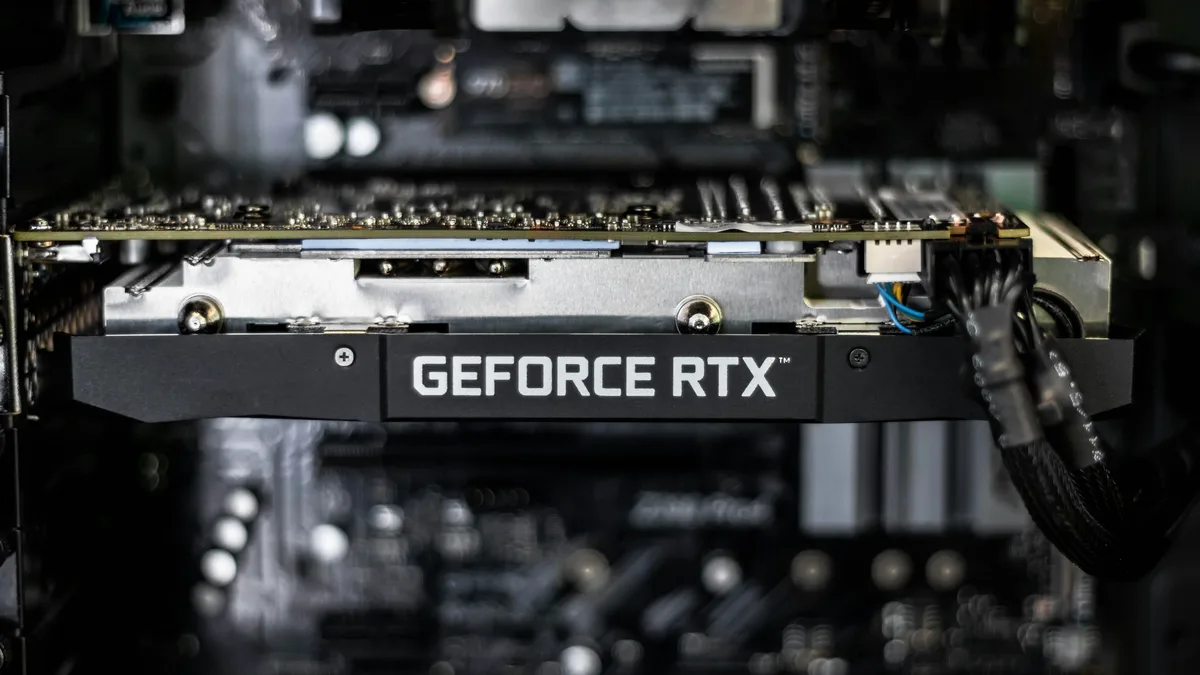
Nvidia RTX 50 Founders Edition Serial Numbers Fade, Leading to Denied Warranty Claims
Nvidia is reportedly denying warranty claims on RTX 50-series Founders Edition cards because heat from normal use is fading their ink-printed serial...
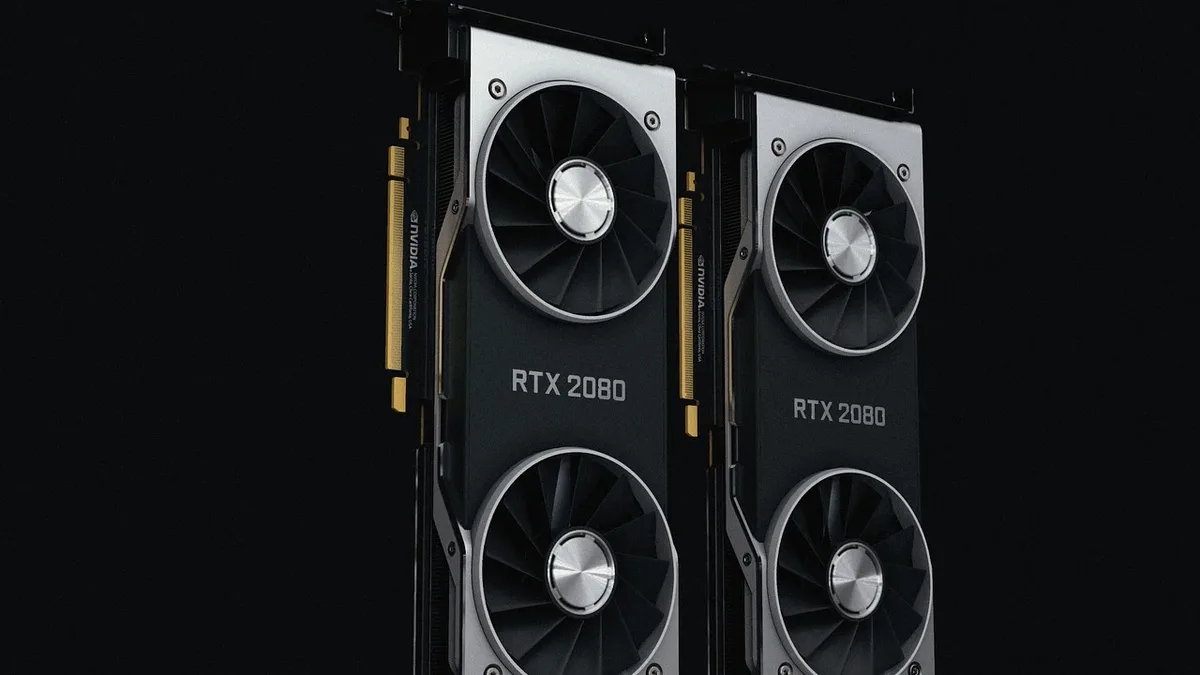
Thermal Grizzly Probes Burned WireView Adapter Reports
Thermal Grizzly is investigating two reports of burned triple-eight-pin WireView adapters used with Radeon RX 7900 XTX graphics cards.
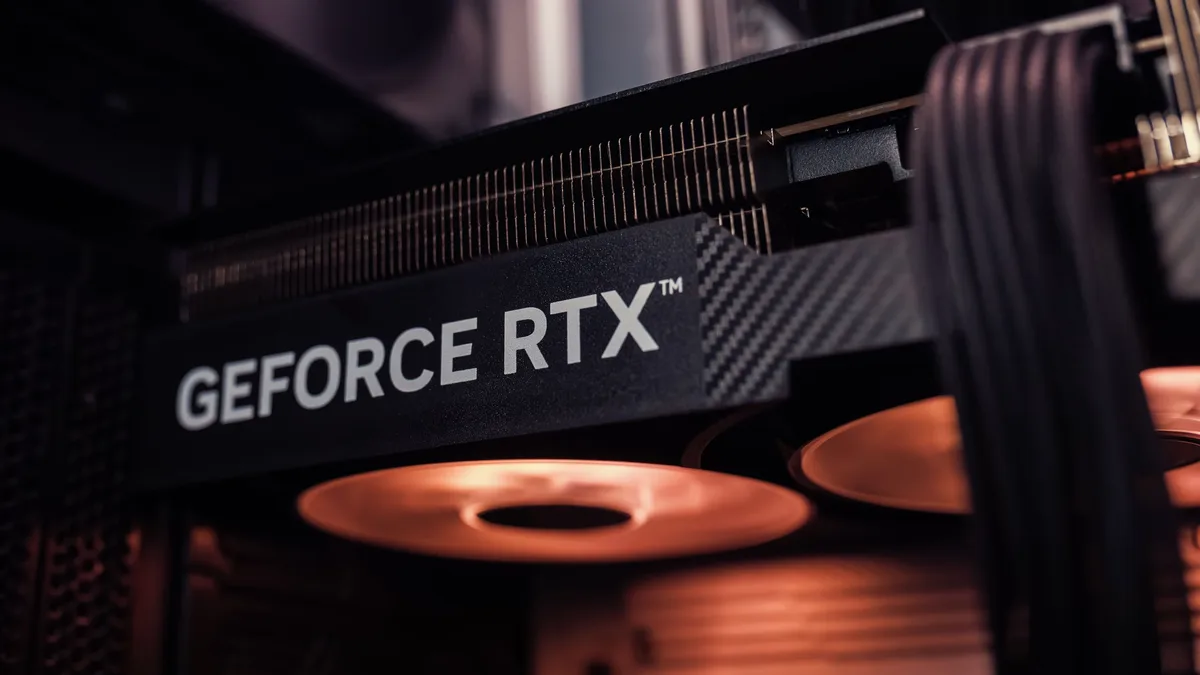
Chinese Firm Lists Modified RTX 5090 with 96GB VRAM
A Chinese manufacturer is selling a modified Nvidia GeForce RTX 5090 graphics card with 96GB of memory on Alibaba for $3,888.
FSR 4.1.1b Mod Enables Unofficial Support for Radeon RX 6000 Series
The OptiScaler developer team has released a modified DLL file that allows AMD's FSR 4.1.1b upscaling technology to run on older Radeon RX 6000...
Modder Uses Dual RTX 5060 Ti GPUs for DLSS 5 Performance
A modder demonstrated a multi-GPU setup using two NVIDIA RTX 5060 Ti cards, with one dedicated to DLSS 5 Neural Rendering.