
Sound Cards And Dacs
| Component type | Sound card or Digital-to-Analog Converter (DAC) |
|---|---|
| Country of origin | Varies by manufacturer |
| First created | 1980s (sound cards), late 20th century (dedicated DACs) |
| Original use | Generating and processing digital audio for playback |
Origin and history
The modern sound card originated in the United States during the early 1980s, developed for personal computers like the IBM PC, which initially lacked audio capabilities beyond a simple internal speaker. Companies like AdLib and Creative Labs were pioneers, with the latter's Sound Blaster line, launched in the late 1980s, becoming the dominant standard for PC audio for over a decade. The Digital-to-Analog Converter (DAC) as a discrete component has a much longer history, with its fundamental technology developing alongside digital audio standards from the mid-20th century. Dedicated external DACs for consumer audio began gaining traction in the late 1990s and early 2000s, largely from companies in Japan and Europe, as a means to improve upon the audio quality of CD players and early computer audio. The convergence of these two paths has defined the market, with internal sound cards evolving to incorporate higher-quality DACs and external DACs becoming commonplace for computers and digital music players. The historical development is marked by a shift from providing basic functionality to pursuing higher fidelity and lower distortion.
What it is designed for
A sound card is a component designed to process and output audio signals from a computer, handling tasks like digital-to-analog conversion, analog-to-digital conversion for recording, and often processing audio effects or surround sound for games and movies. Its primary design purpose is to generate sound where a system otherwise would not, or to significantly improve upon the quality and features of basic motherboard-integrated audio. A dedicated DAC is designed for a more singular task: converting a digital audio signal into an analog waveform with the highest possible accuracy and minimal noise or distortion. This focus makes it suitable for critical listening scenarios where the source is a digital file or stream from a computer, phone, or dedicated transport. Both components are engineered to overcome the electrical interference common inside a computer case or within cheap audio circuits, providing a cleaner analog signal to headphones or speakers. Their design fundamentally addresses the bottleneck of converting pristine digital information into an audible, analog form without degrading the signal.
Development and versions
Internal sound card development progressed from simple FM synthesis chips to wavetable synthesis for more realistic sounds, and then to multi-channel high-definition audio processors with advanced shielding. The transition from ISA to PCI, and later to PCIe bus interfaces, provided greater bandwidth and system integration for these internal cards. External audio interfaces evolved in parallel, starting with basic USB sound cards and developing into sophisticated external DACs and DAC/amplifier combos with support for high-resolution audio formats. Key version milestones include the widespread adoption of the AC'97 audio codec standard for integrated audio in the late 1990s, later supplanted by Intel's High Definition Audio specification. The driver and software ecosystem has also been a major area of development, with proprietary software suites for sound cards offering virtual surround sound and customization, while many external DACs often use standardized class-compliant drivers. The modern landscape includes everything from internal cards focused on gaming with microphones and processing to minimalist external DACs prized for measurement performance and accurate reproduction.
Pros and cons
A primary pro of a dedicated internal sound card is its integrated solution, offering not only a DAC but also a headphone amplifier, input ports for microphones or instruments, and dedicated processing for spatial audio in games, all without external clutter. High-quality external DACs offer the significant advantage of physical isolation from the electrically noisy environment of a computer case, which often results in a lower noise floor and cleaner output. A common con for internal cards is that their performance can still be hampered by poor motherboard power delivery and internal RF interference, despite their shielding, and they offer no upgrade path for a user who switches to a laptop. For external DACs, a frequent drawback is the need for additional components, such as a separate headphone amplifier or preamp for volume control, which increases cost and complexity. Users often regret purchasing high-end internal sound cards if their primary use is stereo music listening, as the premium paid for gaming-centric features and multi-channel output provides no benefit. The most common mistake is overspending on either component without first addressing the limitations of transducers (headphones or speakers) or source material, which provide a far greater impact on perceived sound.
Who it suits
Internal sound cards best suit desktop PC gamers and content creators who need a robust set of audio inputs and outputs, real-time audio processing for voice chat and effects, and multi-channel surround sound support without external devices. They are also appropriate for users upgrading from very poor motherboard audio who want an all-in-one solution and have a free PCIe slot. External DACs are ideal for audiophiles and critical listeners focused solely on high-fidelity stereo reproduction from digital sources, particularly those using sensitive headphones that reveal noise. Users with laptop-based setups or those who require audio solutions for multiple devices like phones, tablets, and computers will find external DACs far more versatile and compatible. Individuals who experience audible interference like buzzing or humming from their computer's front-panel headphone jack are prime candidates for an external DAC, which physically separates the conversion from the noise source. Budget-conscious users seeking the most straightforward audio quality improvement may find that a moderately priced external DAC/amp combo provides a better performance foundation than an internal card, especially if future system changes are likely.
Latest Sound Cards And Dacs news
Latest reporting
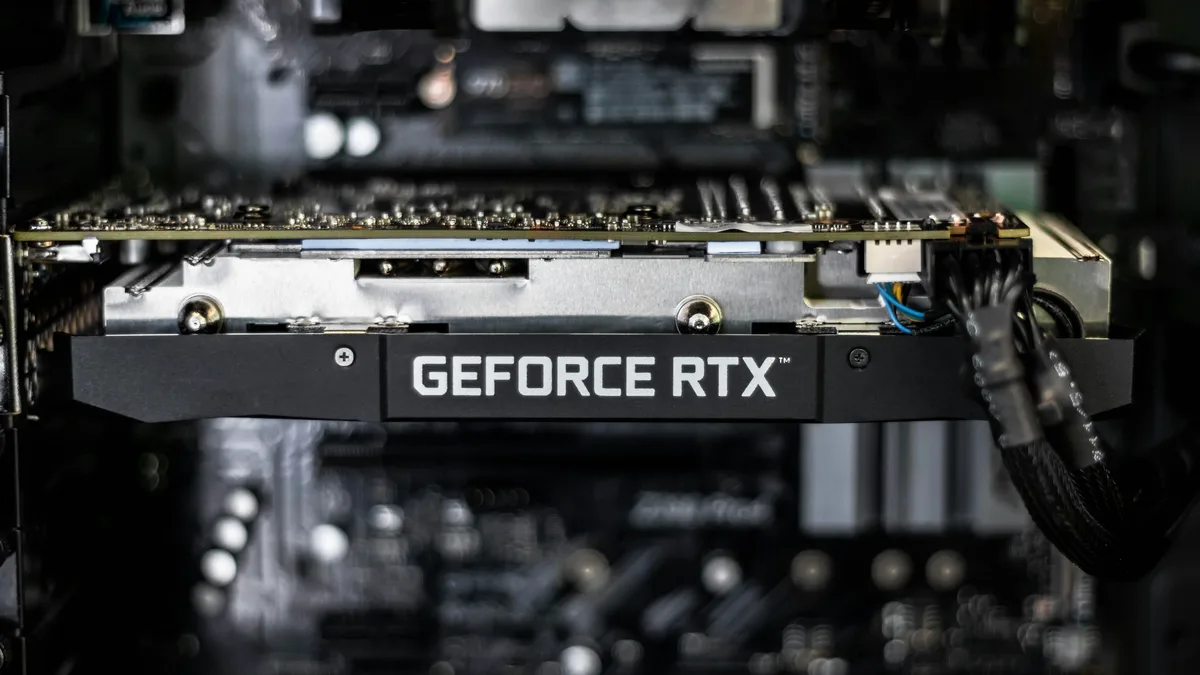
Nvidia RTX 50 Founders Edition Serial Numbers Fade, Leading to Denied Warranty Claims
Nvidia is reportedly denying warranty claims on RTX 50-series Founders Edition cards because heat from normal use is fading their ink-printed serial...
Thermal Grizzly Probes Burned WireView Adapter Reports
Thermal Grizzly is investigating two reports of burned triple-eight-pin WireView adapters used with Radeon RX 7900 XTX graphics cards.
FSR 4.1.1b Mod Enables Unofficial Support for Radeon RX 6000 Series
The OptiScaler developer team has released a modified DLL file that allows AMD's FSR 4.1.1b upscaling technology to run on older Radeon RX 6000...
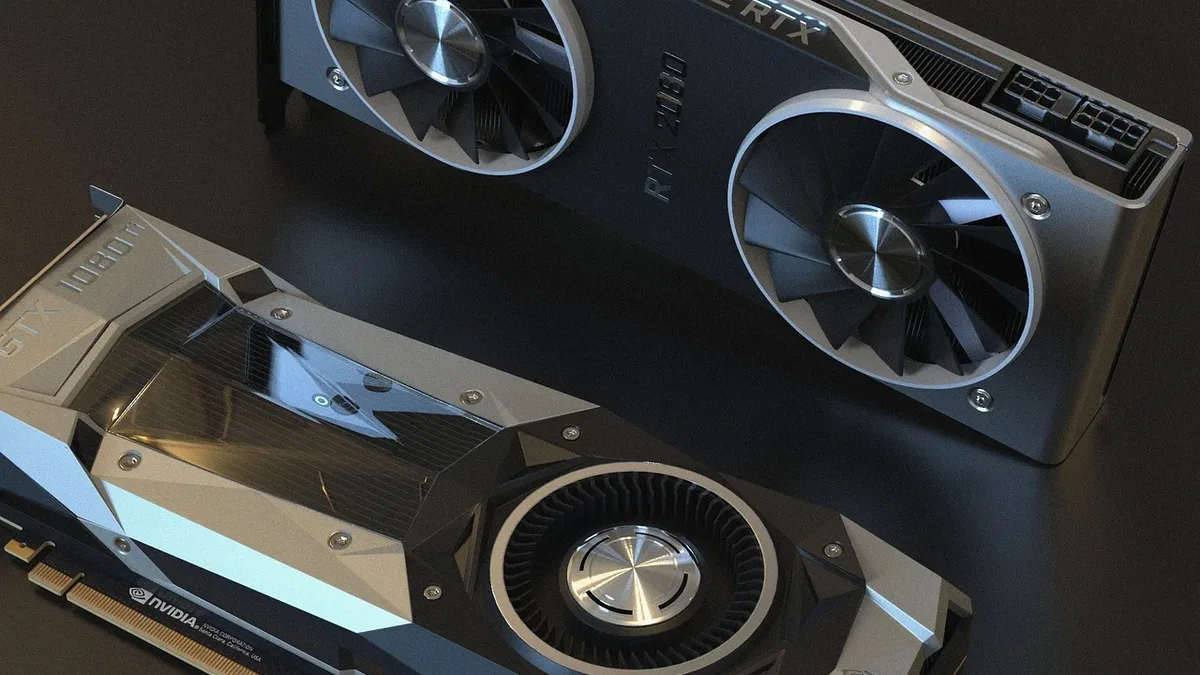
Modder Uses Dual RTX 5060 Ti GPUs for DLSS 5 Performance
A modder demonstrated a multi-GPU setup using two NVIDIA RTX 5060 Ti cards, with one dedicated to DLSS 5 Neural Rendering.
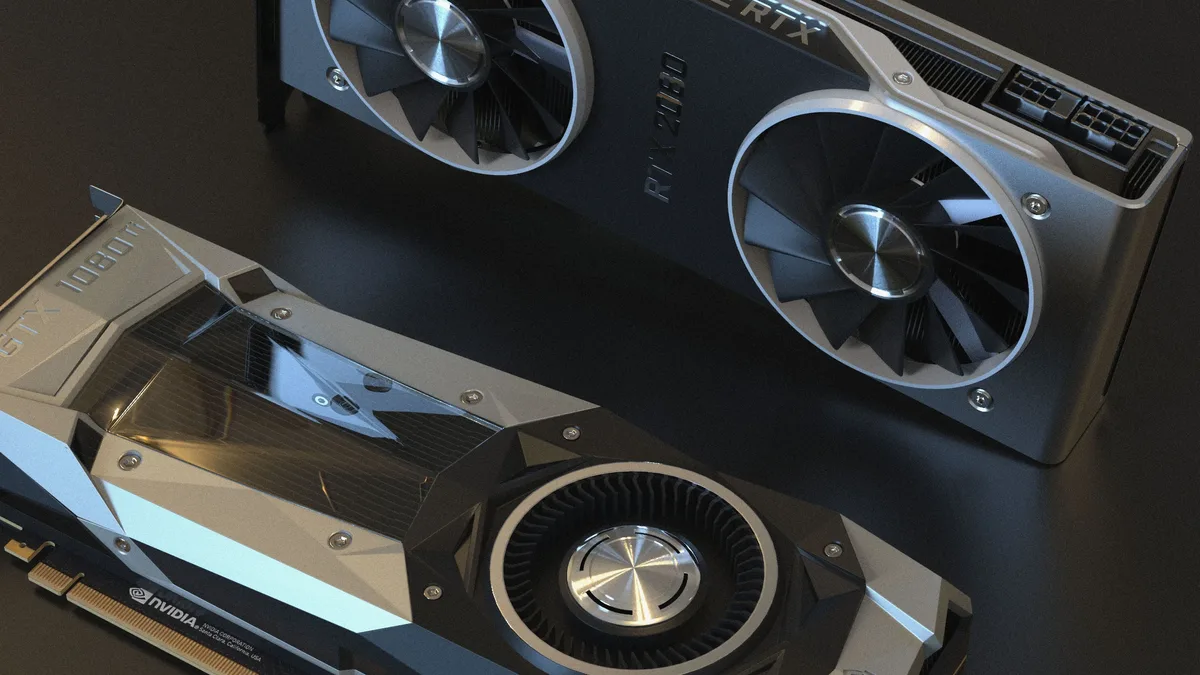
Single-Slot RTX 3060 Performs Worse Than GTX 1060
A modified, single-slot GeForce RTX 3060 GPU draws power only from the PCIe slot, severely limiting its performance to below that of older budget...
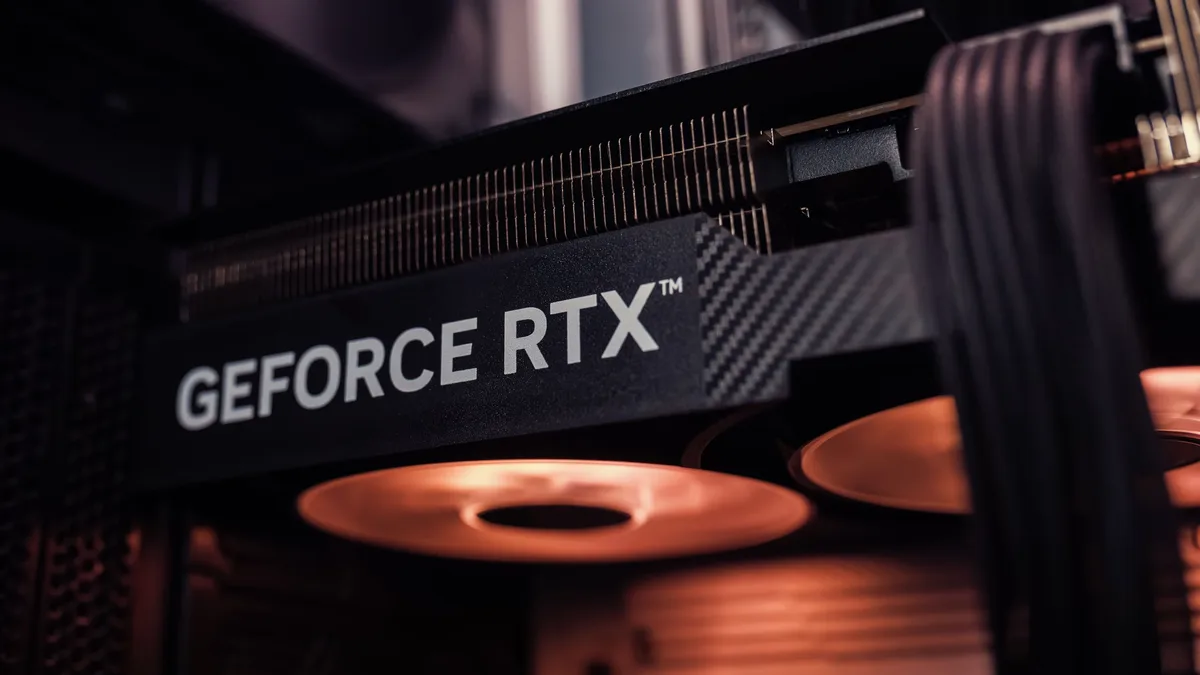
NVIDIA Sells RTX 50-Series Founders Edition GPUs at MSRP
NVIDIA is offering its GeForce RTX 5070, 5080, and 5090 Founders Edition graphics cards at their original manufacturer's suggested retail prices.