CXMT LPDDR6 RAM Production Starts in
China's CXMT will begin mass production of LPDDR6 RAM next month, securing it for the Xiaomi 18 Fold. A report estimates the phone's shipments will not exceed 300,000 units, hinting at limited initial output.
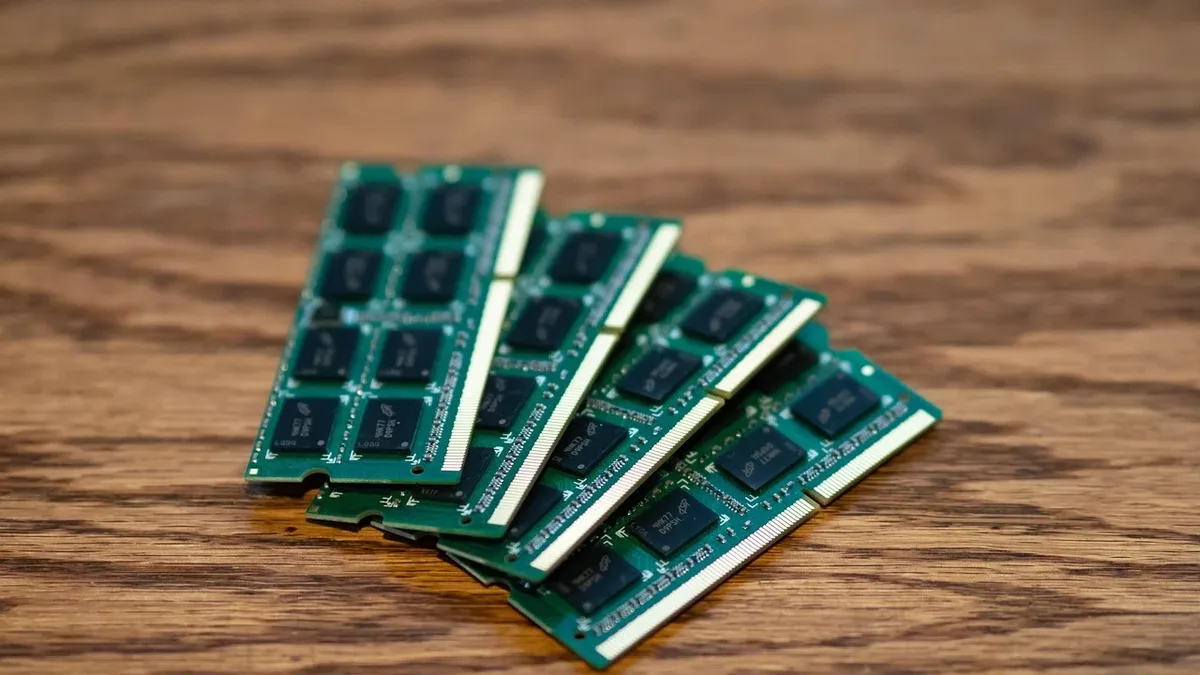
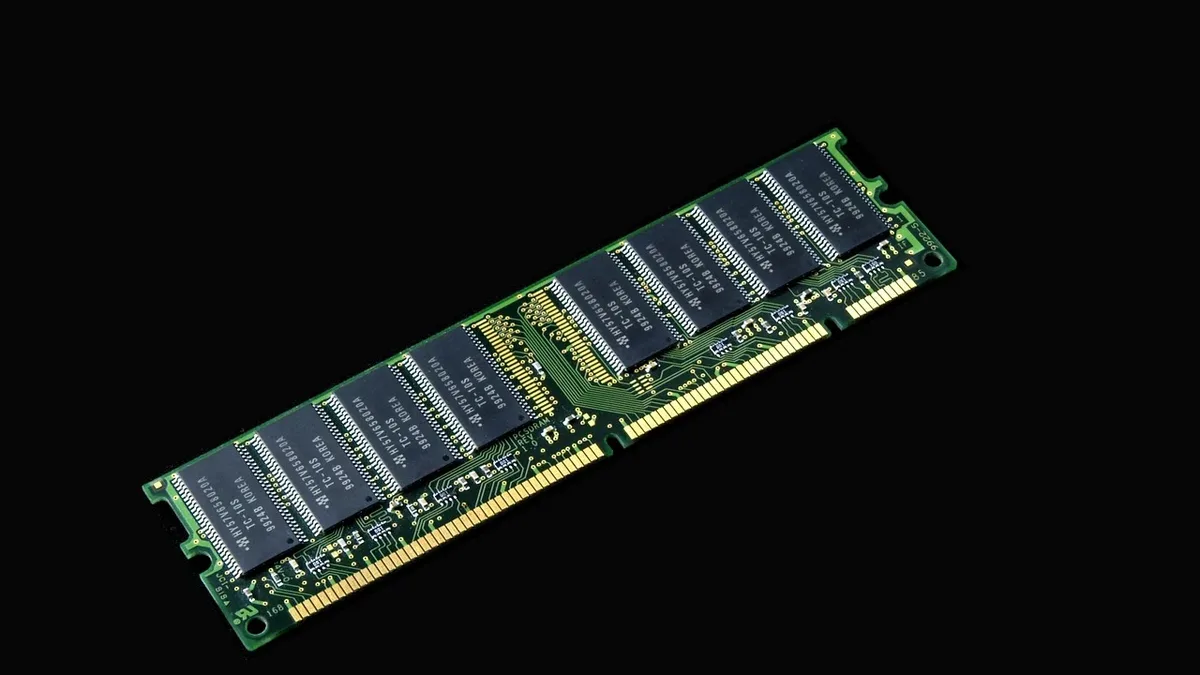
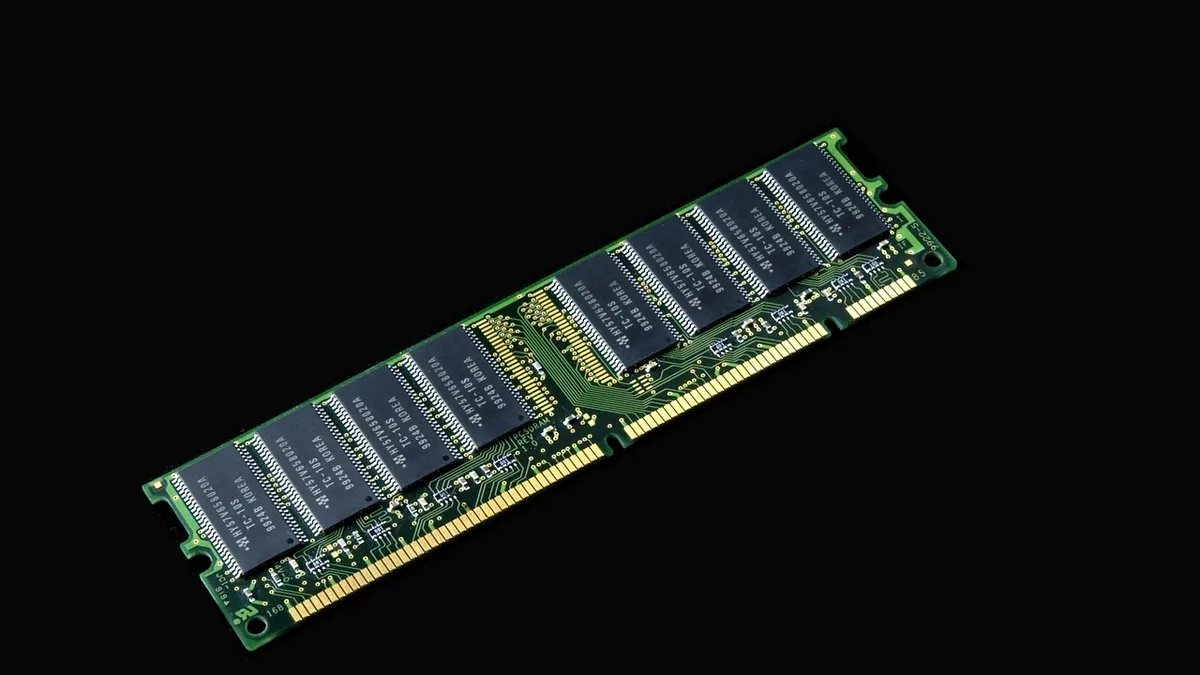
China's ChangXin Memory Technologies (CXMT) is scheduled to begin mass production of next-generation LPDDR6 RAM in September. This move gives the company an early lead over rivals Samsung, SK hynix, and Micron.
CXMT's accelerated timeline has enabled it to secure early design wins with major domestic smartphone manufacturers, including Xiaomi and Huawei. Even while on a U.S. Entity list, the company's ability to outpace larger competitors is expected to draw attention from overseas customers eager to adopt the new technology.
Limited Initial Volume for Xiaomi 18 Fold
Despite the production milestone, initial volumes will be constrained. Based on a teaser image, the LPDDR6 RAM will be reserved exclusively for Xiaomi's upcoming wide-folding smartphone, the Xiaomi 18 Fold. This model is designed to compete with the anticipated iPhone Fold and Samsung's Galaxy Z Fold8.
Given the manufacturing complexities of wide-folding handsets, Xiaomi is not expected to place massive orders. A report from The Next Web estimates that shipments for the XRING 03 chipset, which will power the device, will not cross 300,000 units. This low volume hints at a partnership focused on limited production between Xiaomi and CXMT.
Manufacturing Hurdles and Trade Restrictions
The manufacturing difficulties for CXMT stem from stringent U.S. Trade restrictions. These prevent the company from boosting production while maintaining respectable yields. Like Huawei, CXMT is forced to leverage legacy Deep Ultraviolet (DUV) machinery with complex multi-patterning techniques, which increases costs and lowers output efficiency.
Xiaomi's use of an older 3nm "N3P" process for the XRING 03 means the company won't struggle with chipset orders. However, mass manufacturing LPDDR6 DRAM chips in substantial quantities could prove to be a significant hurdle for CXMT. This context raises the question of why the Xiaomi 18 Fold would not use more readily available LPDDR5X RAM instead. With the foldable flagship expected to carry a hefty price tag, the inclusion of cutting-edge LPDDR6 memory is likely intended to justify the cost to consumers.
While outpacing industry giants in next-generation DRAM development is a notable feat, CXMT's real test will be scaling production. This is where the larger, established competitors are expected to close the gap quickly. For hardware enthusiasts tracking component availability and its impact on final products, this development is a key factor in future device performance and fixtures. The specific performance gains of LPDDR6 over previous generations will be crucial data for our stats comparisons when the first devices launch.