Memory Shortage Drives Up PC Prices as Shipments Fall
PC makers are focusing on premium AI-capable systems to offset falling shipment volumes, leading to higher average prices and revenue growth despite a
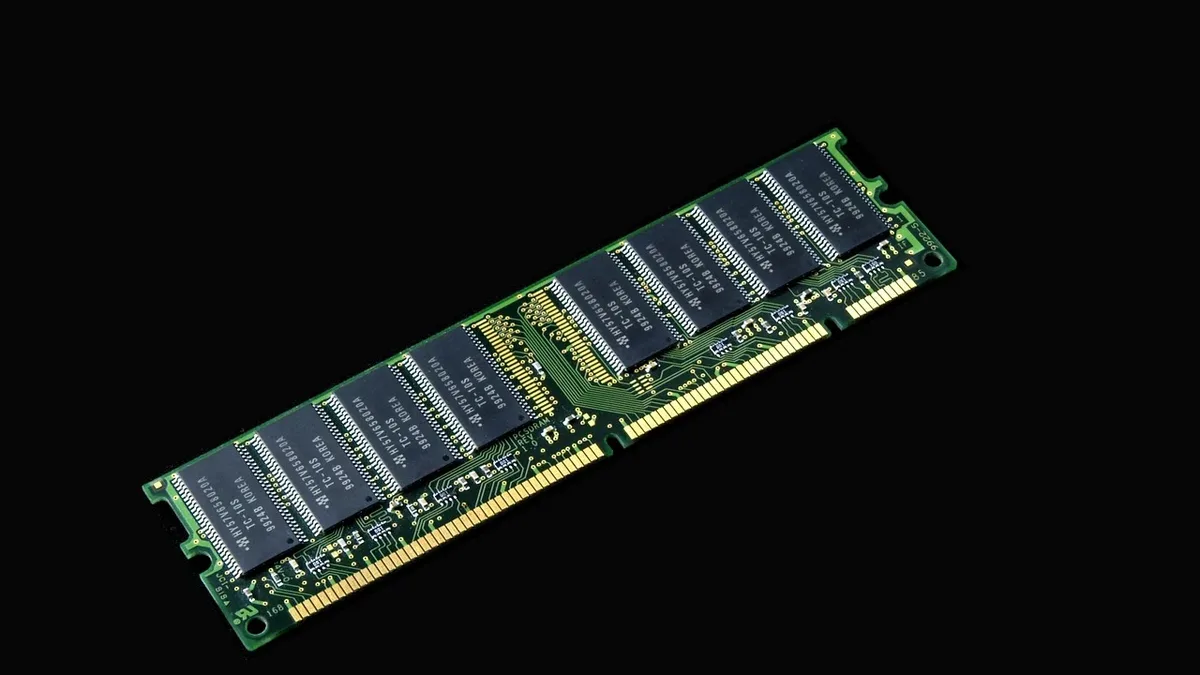
PC manufacturers are making more money by selling fewer, more expensive computers. This shift is driven by a memory chip shortage that has increased component costs and reshaped the entire market.
International Data Corporation reported that worldwide PC shipments fell by 4.9% in the second quarter. The research firm expects average PC prices to rise by 20% this year, with further increases expected in 2027 even as unit shipments continue to decline.
Manufacturers Prioritize Premium Systems
With memory both expensive and scarce, vendors are concentrating production on higher-priced devices. They are allocating more components to premium systems, where higher selling prices can better absorb cost inflation. This strategy is reducing shipment volumes but generating higher revenue.
Jitesh Ubrani, IDC's Director of Consumer Research, explained the dynamic to The Wall Street Journal. "They have to offset the decrease in shipments with higher pricing to maintain revenue or grow revenue," he said.
The results are visible in recent corporate earnings. HP's personal systems segment, which includes its PC business, increased revenue by 18% in the second quarter even as unit sales fell by 16%. Dell's client solutions group posted a 20% revenue increase, while Lenovo reported nearly 30% revenue growth in PCs and smart devices.
The Central Role of AI PCs
AI PCs are central to this industry shift. The term generally refers to systems equipped to handle certain AI processing on the device rather than relying entirely on cloud infrastructure. Such machines typically combine newer CPUs, GPUs, or dedicated neural-processing units with larger memory configurations.
Manufacturers are positioning these capabilities as a reason for businesses and consumers to accept higher prices. HP Chief Financial Officer Karen Parkhill said the company has increased the share of AI PCs in its shipments. "We're proud to have an increased penetration of AI PCs today as part of our shipments," she told analysts, adding that the segment will be "a growing part as we look ahead."
Commercial vs. Consumer Demand
Commercial customers may provide the strongest support for the high-priced market. UBS analyst David Vogt said business demand accounts for roughly 75% of PC market volume and should be relatively resilient. This is especially relevant in regulated industries, where organizations may want tighter control over data and AI processing for sensitive workloads.
However, Vogt also noted some recent commercial demand may represent orders brought forward to avoid expected price increases rather than a sustained increase in purchasing.
Consumer demand could be more difficult to maintain. Shoppers may be less inclined than businesses to pay a significant premium for AI features, particularly if the practical benefits are unclear. Vogt pointed to HP's below-seasonal outlook for the current quarter as an early sign of that challenge. "That's a struggle that HP and Dell and Lenovo are going to have to grapple with," he said.
A Long-Term Memory Constraint
The underlying memory shortage is unlikely to provide relief soon. Ubrani does not expect supply conditions to improve before at least 2028. IDC's forecasts indicate that prices could begin to decline after that point, though they are not expected to return to 2025 levels.
For now, the industry's recovery is less about shipping more computers than selling a more lucrative mix of them. This model has helped vendors report stronger revenue despite falling volumes. It leaves buyers facing a market where waiting for a cheaper laptop may not deliver much near-term benefit.