Microsoft expands Windows 11 Memory Integrity in 2026
Microsoft will automatically enable its Memory Integrity security feature on more eligible Windows 11 PCs starting in October 2026.

Microsoft will begin automatically enabling its Memory Integrity security feature on a broader range of eligible Windows PCs through quality updates starting in October 2026. The company announced the expansion in a September 1 blog post, stating it aims to provide stronger kernel protection against attacks.
According to Microsoft, the rollout will not affect PCs where Memory Integrity has already been deliberately disabled by a user. Those configurations will remain unchanged. The updates will also enable Virtualization-based Security (VBS) where required, which provides the isolated environment underlying Memory Integrity.
Performance Impact on Gaming
The feature comes with a known performance cost for PC gamers. Microsoft acknowledged in 2022 that Memory Integrity and the Virtual Machine Platform could affect gaming performance on some Windows 11 configurations. The company's own gaming guidance has recommended temporarily disabling these protections where they interfere with gaming performance, while warning that doing so reduces security.
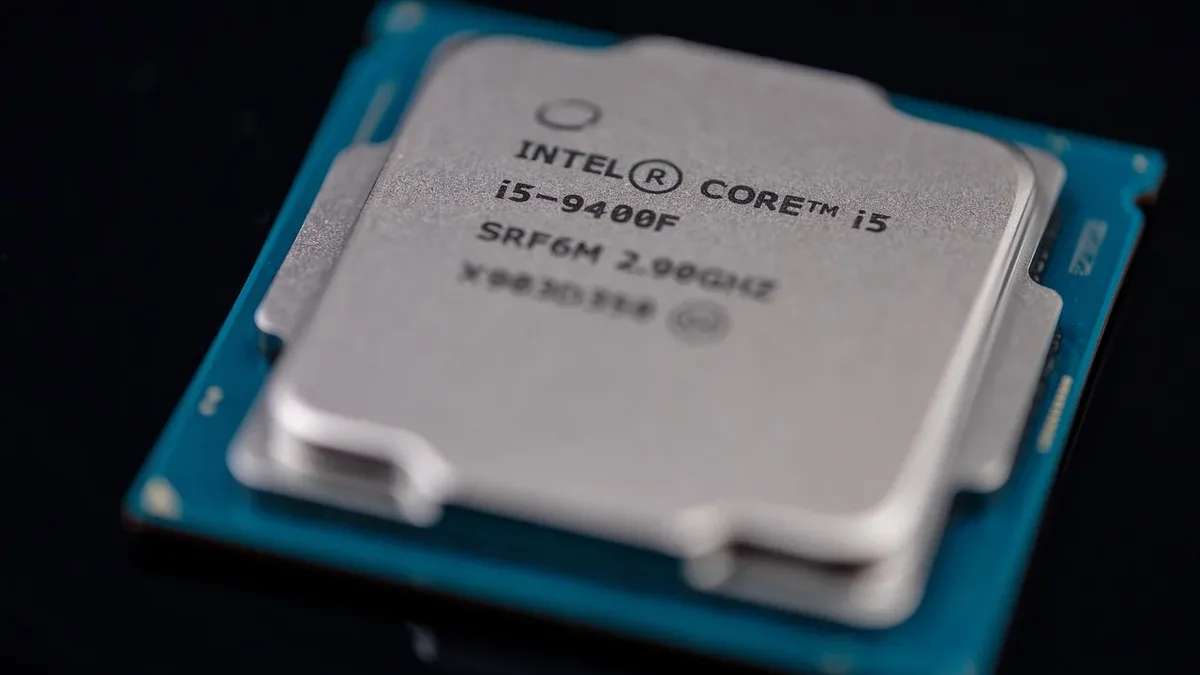
The impact on performance depends heavily on the hardware. Microsoft states that Memory Integrity performs better on newer processors with hardware features designed to accelerate the required isolation. Older CPUs relying on software emulation can experience a larger performance hit.
Eligibility and Requirements
Before making the change, Windows will automatically assess each device using readiness signals covering its hardware capabilities, compatibility, and performance. This October rollout is an expansion of Microsoft's existing default-enablement policy. Memory Integrity is already switched on by default on clean Windows 11 installations that meet specific hardware requirements, as well as on Secured-core PCs.
The current requirements for a clean installation include:
| Component | Requirement |
|---|---|
| Intel Processor | 8th Gen or newer for Windows 11 22H2 |
| AMD Processor | Zen 2 or newer |
| RAM (x64 systems) | At least 8GB |
| Storage | SSD of at least 64GB |
| Other | Compatible drivers and enabled hardware virtualization |
Automatic activation under the existing policy applies to clean installations and not upgrades of existing devices. The October 2026 expansion will extend this automatic enablement to more existing devices via quality updates.
Compatibility and User Control
Driver compatibility can prevent the feature's activation. Microsoft has documented issues ranging from malfunctioning software to incompatible gaming anti-cheat solutions. For most users, the October change requires no action. Eligible PCs will be evaluated and updated automatically.
Administrator policies and previous user choices remain in place. Microsoft specifically says systems where Memory Integrity has already been disabled "won't be automatically changed by this rollout." This leaves gamers and other users who previously opted out in control of the setting. The feature, also known as Hypervisor-Protected Code Integrity (HVCI), uses VBS and the Windows hypervisor to move kernel-mode code-integrity checks into an isolated environment.